Hedge Fund Headshots NYC: Tone, Wardrobe, and the Wall Street Look in 2026
A hedge fund headshot is not a corporate headshot, and it is not a LinkedIn headshot either. The audience is different, the visual signals are tighter, and the tolerance for anything that reads slick or self-promotional is close to zero. Allocators, prime brokers, and institutional LPs do not want a charisma reel. They want a portrait that confirms, in under two seconds, that the person looking back at them is someone they can trust to manage capital. I'm Emmanuel Fuentes, a photographer based in Riverdale, The Bronx, and this is my working playbook for the 2026 Wall Street headshot: tone, wardrobe, where most funds get it wrong, and what to do when you book.
Book Your Session: one-on-one sessions in Riverdale, The Bronx, on weekends and weekday evenings, for finance professionals who are not going to enjoy being on the other side of a camera.
The 2026 Wall Street Tone: Quiet Confidence, Not Charisma
The dominant headshot aesthetic on the buy side has shifted three times in the last decade and the 2026 version is the most restrained. The early-2010s hedge fund portrait (three-quarter body, harsh sidelight, slight lean into camera) reads dated now. The 2018-2022 LinkedIn-charisma look that crept into finance from tech (broad smile, eyes crinkled, slight head tilt) reads like a sales hire. What allocators now expect, and what senior PMs at multi-strats are actually choosing for pitchbooks and IR sites, is quieter.
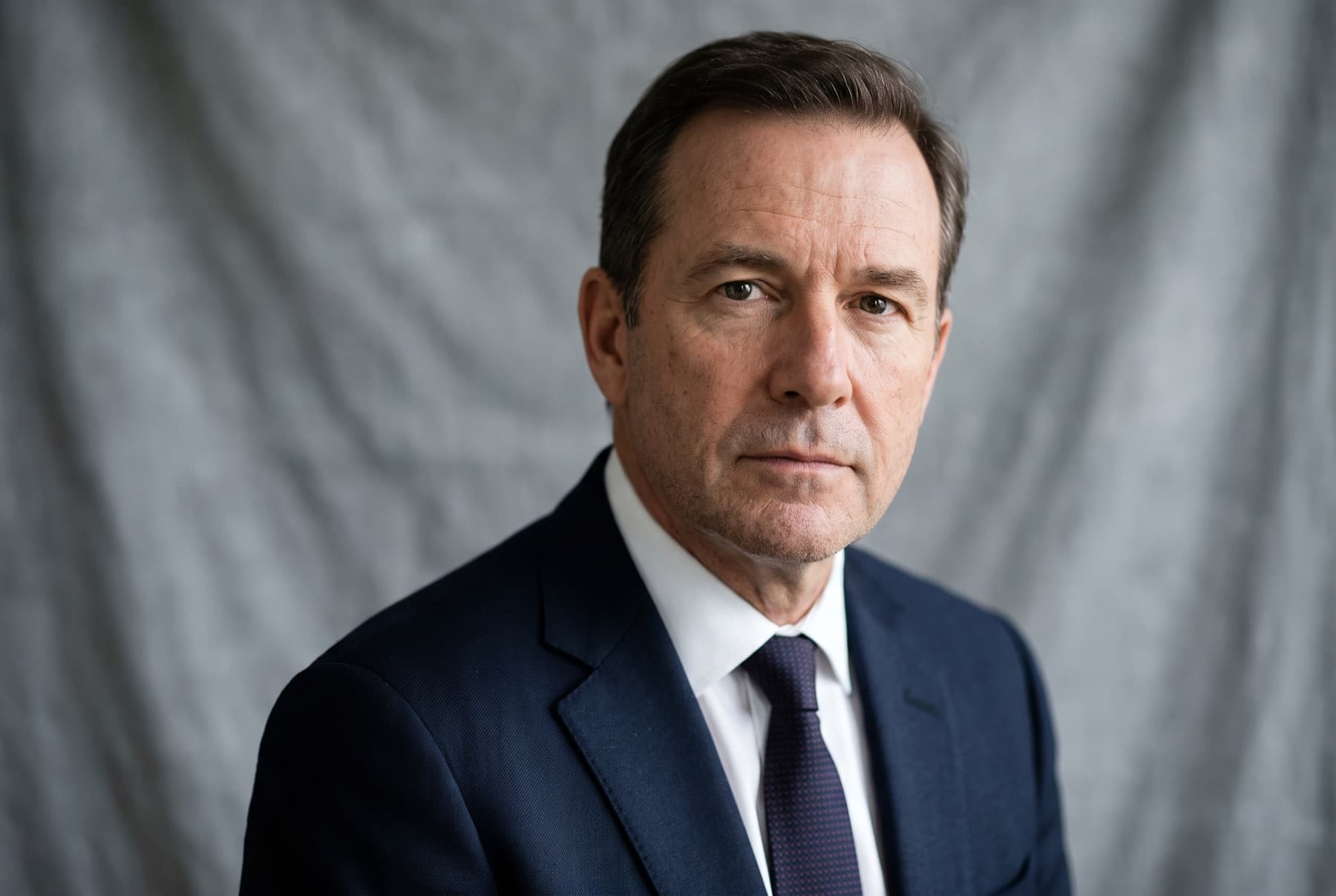
The 2026 tone has four signals working at once: a composed but not stiff expression, half-smile or closed-mouth resting that suggests focus, not warmth; direct, steady eye contact; even, undramatic lighting with no hard contrast that signals "creative portrait"; and tight-to-the-shoulders framing with enough room above the head to crop cleanly into a pitchbook grid or a square LinkedIn frame.
The tell that a fund hired the wrong photographer is when the portraits look like editorial campaign shots. Editorial reads as marketing, and on the buy side, soft signals compound. The headshot should read as an institutional document, not a magazine spread.
Wardrobe: What Actually Photographs as Wall Street in 2026
There is a reason the trading floor has been wearing the same five outfits for three decades. The wardrobe formula on Wall Street photographs the same way every year because it does not depend on trend cycles: it depends on the institutional grammar of capital. For 2026, the working hedge fund wardrobe is narrower than most clients realize before they walk in.
The five outfits that photograph cleanly across allocator decks, fund websites, and LinkedIn at the same time are:
- Charcoal or navy two-button suit, white spread-collar shirt, no tie. A common PM look at multi-strats. Reads senior, calm, and current: the no-tie version has become widely accepted on the buy side, though many funds still want a tie for formal LP materials.
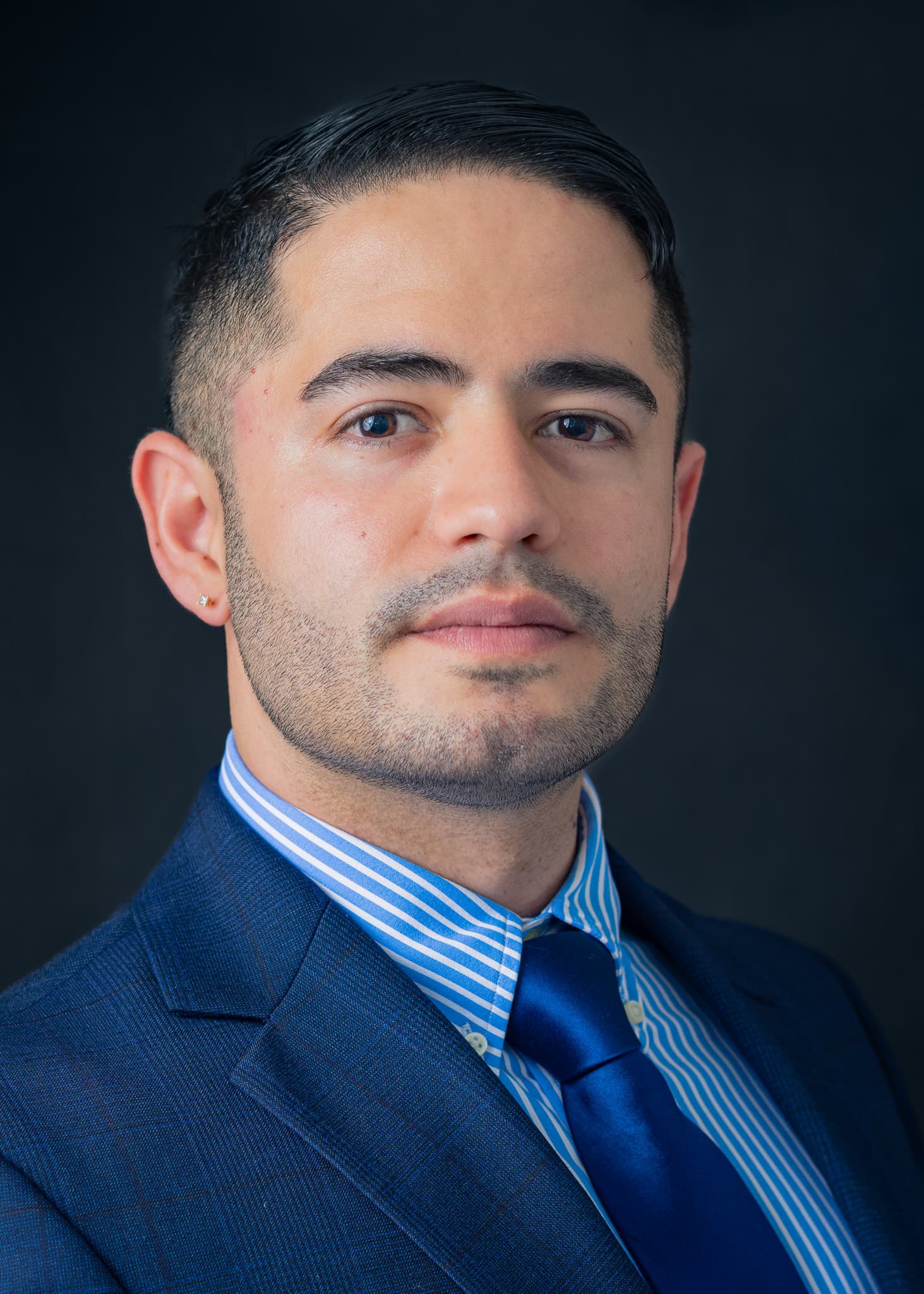
- Charcoal suit with a deep navy or burgundy tie. The traditional pitchbook look. Best for senior analysts and MDs whose audience expects formal cues. Avoid silver-grey ties, which photograph as flat.
- Navy blazer over a white or pale-blue shirt, no tie. The IR and capital-introduction look. Photographs as approachable without crossing into casual. A reliable choice for partners running LP meetings in 2026.
- Slate-grey or stone half-zip merino over a clean t-shirt or shirt collar. The tech-adjacent quant or systematic-fund look. Photographs cleanly only if the merino is a single solid color with no visible logo and no zip pull that catches the studio light.
- Black or deep navy mock-neck. The understated founder look that crossed over from Patagonia-vest territory. Works for portfolio managers under 45 at platform-style funds. Does not work for traditional long-only or pension-mandate audiences.
What is now actively dating headshots: the quarter-zip Patagonia vest with the firm logo, the gingham shirt under a sport coat, and tie patterns smaller than a half-inch repeat. Pure white shirts can blow out under bright light: go off-white or pale ivory if the rest of the look is dark. Brown leather watches, belts, and shoes show up in three-quarter portraits and pull the eye off the face. Switch to navy or charcoal accessories if you want a wider crop.
For session options and pricing written for finance professionals, see the headshots for finance page, and the executive portraits page covers the wider three-quarter compositions used for fund websites and pitchbook covers.
The Lighting and Background Standard for Hedge Fund Portraits
The lighting standard for institutional finance portraits in 2026 is even, soft, and slightly directional: a soft main light from one side, with the shadow side filled enough that it never goes dark. What separates good work from average is how soft the light is, how cleanly you separate from the background, and how restrained the retouching is.
In my Riverdale studio, the finance look is built the same way: soft, window-style light on the face and a plain, warm-neutral background, close to the standard "fund website light grey" without crossing into the cool-blue territory that has crept into a lot of LinkedIn headshots in the last two years. Cool-blue is fine for tech and consulting. It does not photograph as Wall Street.
For traditional long-only and pension-track audiences, a darker, more institutional tone can read better in pitchbook contexts. If a fund's IR team has standardized on a specific background tone for the whole partnership, send a reference frame before the session. For a whole team that has to match exactly, an on-site team day at your office, with one setup for everyone, is usually the cleaner route.
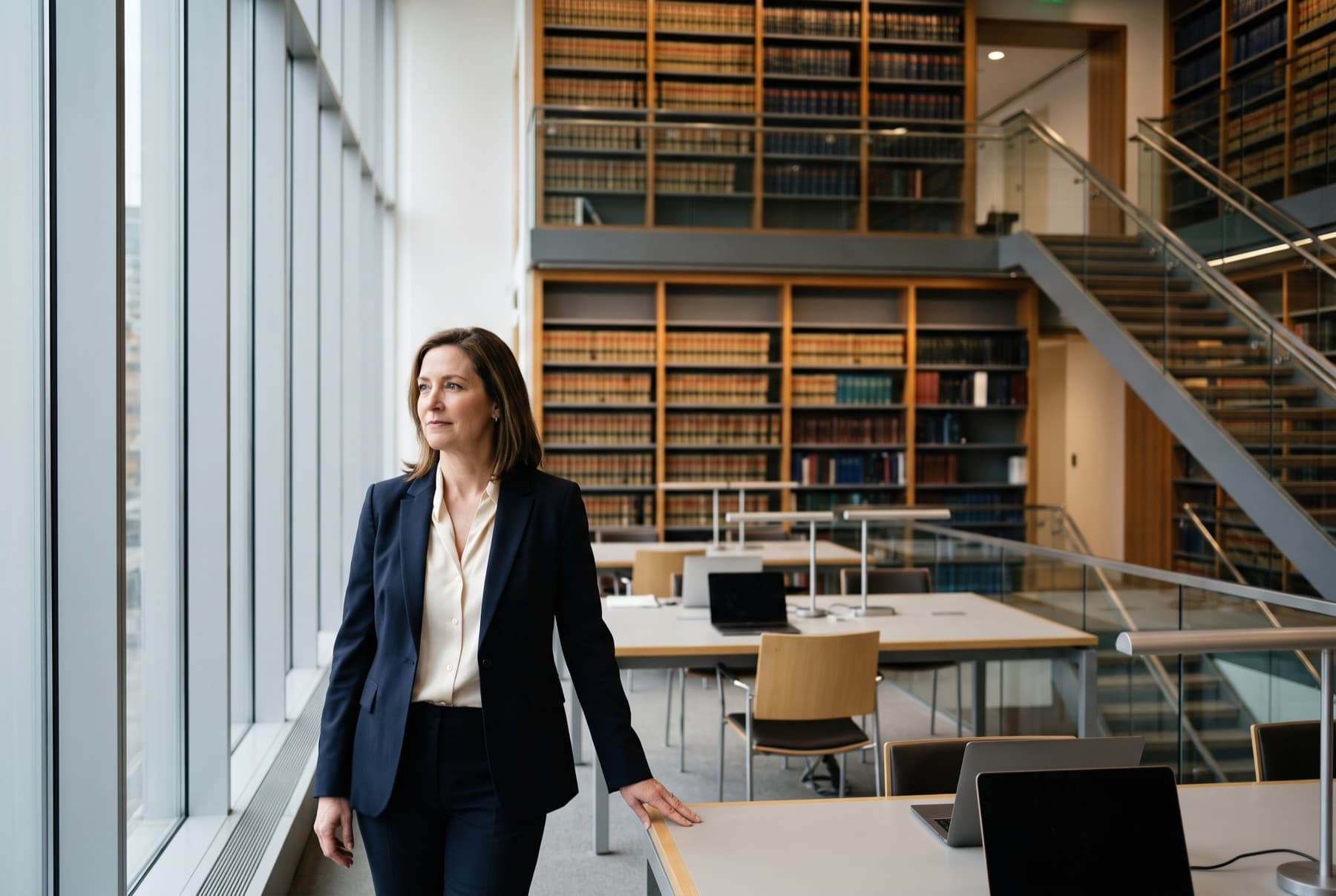
For three-quarter and environmental portraits, keep it simple. Many funds have moved bio-page imagery toward plain three-quarter portraits and away from "executive at the desk" environmental shots, which now read as dated.
How to Choose Among NYC Headshot Options for a Fund
The finance segment of the NYC headshot market runs from high-end portrait studios to high-volume chains, with a long tail of generalist photographers in between. A fair way to sort them:
High-end portrait studios sit at the top of the price band. The work is often excellent for the audience it targets: actors, on-camera personalities, and very senior C-suite executives. For most PM and MD-tier professionals booking a single annual headshot, the price-to-output ratio may not pencil.
Finance-focused studios in Manhattan produce strong, consistent institutional work. The trade-off is logistics: moving a 20-person partnership through a Midtown studio costs trader time and cab fare.
High-volume chains and on-demand booking apps are the cheapest route. The work can be uneven, and when a fund team books five or six people through a high-volume operation, the results can look visibly templated.
Here's where I fit. Individual sessions are one-on-one in Riverdale, The Bronx: the Studio Headshot is $199 (30 minutes indoors, 3 retouched images), the Outdoor Headshot is $149 (30 minutes, 3 retouched images), and The One-Hour Session is $275 (60 minutes outdoors, 2 to 3 outfits, several locations, a full retouched gallery). Riverdale is on the 1 train and Metro-North's Hudson Line, and sessions run on weekends and on weekday evenings, 5 to 6:30 PM, after the close. For a fund team, I come to you: team headshots are shot on site at your office on a weekday, $99 per person with a $495 minimum (covers up to 5), 2 retouched headshots each, under the same setup for everyone.
What to Bring and What to Plan For
A session runs 30 or 60 minutes, depending on which one you book. Make the wardrobe and prep decisions before you arrive, so the session itself stays focused on the actual photography rather than on outfit debates in the room.
What to bring on session day:
- One or two outfits from the five-outfit list above: one slightly more formal than your daily desk wardrobe, one slightly less. Iron or steam both, including the inside of the collar. (The One-Hour Session has room for 2 to 3.)
- A clean white, ivory, or pale-blue shirt, no patterns smaller than a half-inch repeat.
- Glasses if you wear them daily. We can shoot with and without so you have the choice.
- If you've booked The One-Hour Session, a third outfit option for a three-quarter portrait. A darker suit and tie combination works well for this frame.
- The fund's IR team specifications if any (background tone, file naming convention, crop ratio) sent ahead by email.
What not to bring: a freshly cut haircut from the morning of the session (cut five to seven days before), a brand-new suit that has not been worn in (the shoulders need to settle), and any accessory that catches studio light in an obvious way (mirrored watch face, large lapel pin, oversized cufflinks).
For teams of four or more partners or analysts, the team headshots page covers how an on-site team day at your office works and what it costs. For an individual session, Book Your Session to pick a time online.
Frequently Asked Questions
What does a hedge fund headshot cost in NYC in 2026?
NYC headshots commonly run a few hundred dollars, and high-end Manhattan portrait studios can charge well into four figures. My prices are published: $149 for the Outdoor Headshot, $199 for the Studio Headshot, $275 for The One-Hour Session, and $99 per person for team headshots at your office ($495 minimum, covers up to 5). Everything is paid in full at booking, and rescheduling is free with 48 hours' notice.
Can you photograph our whole fund team at once?
Yes, at your office rather than the studio. Team days run on weekdays on site: $99 per person, $495 minimum (covers up to 5), 2 retouched headshots each, and everyone is photographed under the same setup so the partnership page matches. Booking two to four weeks ahead gives wardrobe guidance time to circulate around the team.
Should I wear a tie for my hedge fund headshot in 2026?
For senior MDs and partners whose audience expects formal pitchbook cues, yes. A charcoal or navy suit with a deep-tone tie still reads as the most institutionally precise look. For PMs and analysts under 50 at multi-strats and platform funds, the no-tie spread-collar shirt has become a common choice and reads as current without losing seriousness. Quant and systematic-fund professionals often choose the slate or charcoal half-zip merino and skip the suit entirely.
What is the difference between a Manhattan studio and a Bronx studio for finance professionals?
Good work is good work in either borough; what differs is price, logistics, and attention. Manhattan studio rents are high, and that tends to show up in pricing. My Riverdale studio is a one-on-one session on the 1 train or Metro-North's Hudson Line, at evening and weekend times that work around the market. For a full fund team, though, neither is ideal: bringing the setup to your office on a weekday is what keeps the team's morning intact.
The 2026 hedge fund headshot is more restrained, more wardrobe-disciplined, and more institutionally targeted than any version that came before it. Allocators read the portrait as a document, not a marketing asset, and the funds that get the look right treat the session that way too: short, controlled, and built around outputs that work across pitchbooks, fund websites, and LinkedIn at the same time. If your last headshot is more than 18 months old, or if it leans into a tone that no longer matches what your audience expects, the next session is worth booking now rather than at the next IR deadline.
Looking to update your professional image? book a headshot session in NYC: appointments in Riverdale, The Bronx, booked as little as two days out.
Explore NYC Headshot Services
Sessions from $95, booked as little as two days ahead.