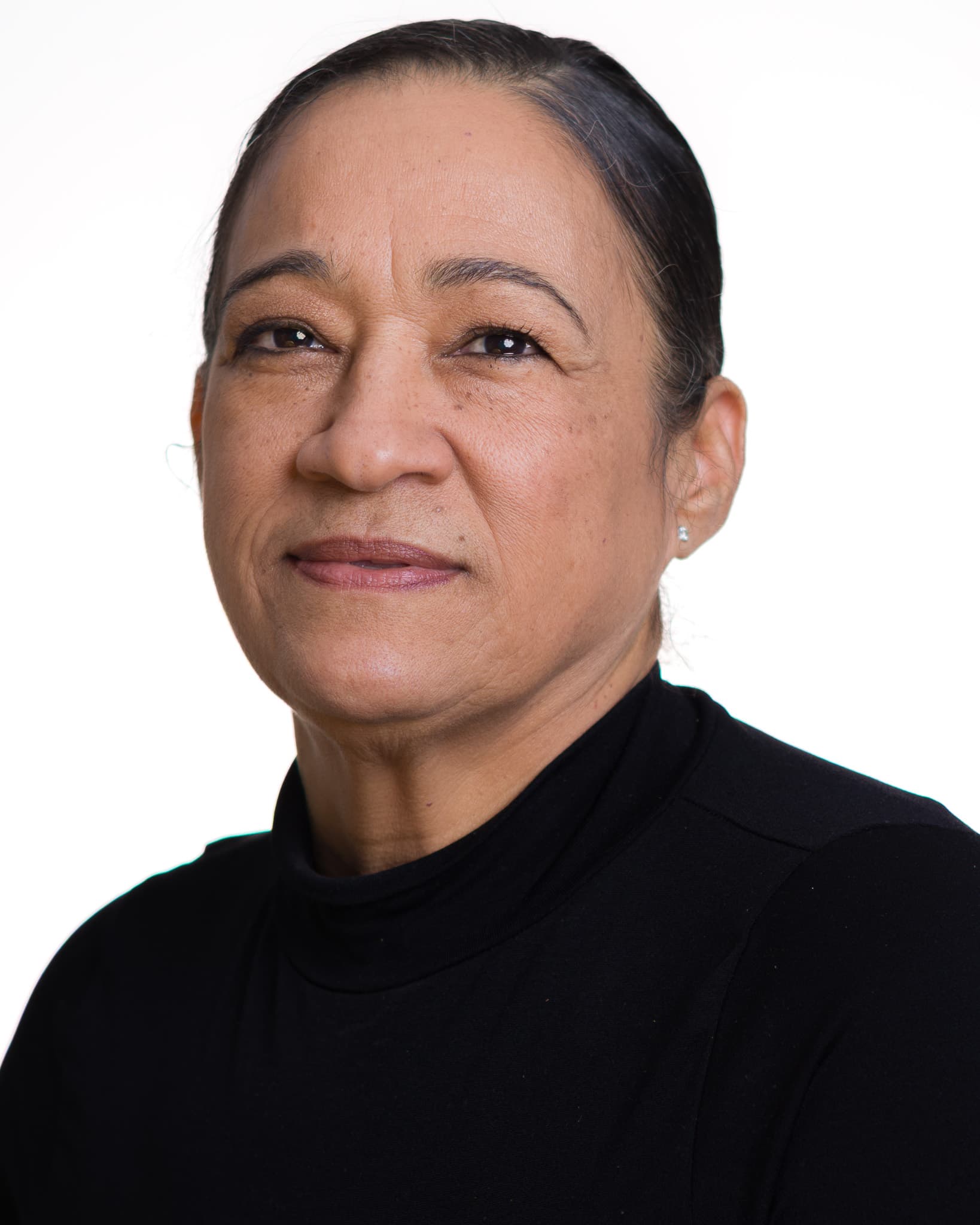
Power Suit or Soft Shoulder? 2026 LinkedIn Headshot Wardrobe in NYC
Every week a New York professional sits in front of a closet at 7 a.m. and asks the same question: do I wear the power suit, or do I wear the soft shoulder. For most of the 2010s the answer was reflexive: power suit, every time, end of conversation. In 2026, that reflex is wrong about half the time. The 2026 LinkedIn headshot is doing different work than the 2018 LinkedIn headshot, and the wardrobe choice is now genuinely a fork.
Book your session: Midtown Manhattan studio, Riverdale Bronx studio, weekend sittings, 48-hour delivery.
Written by Emmanuel Fuentes, the photographer behind Fuentes Studio. We run sessions out of a Riverdale, The Bronx studio and a Midtown Manhattan studio with Van Cortlandt Park as the outdoor option, and we shoot the wardrobe call as carefully as we shoot the light. If you are searching for an executive portrait photographer NYC who will give you a real answer on the jacket before the session, this post is the answer.
The Fork: What Each Look Is Actually Doing
Before the closet decision, name what the photo is doing. Wardrobe follows function, never the other way around.
Power suit (notched-lapel, structured shoulder, dark navy or charcoal)
A power suit headshot is doing institutional credibility work. It says: I have a fiduciary relationship with the person looking at this photo, I have signed something legally significant, I work in a regulated industry, I am a partner or am about to be one. The viewer should read the photo and feel that handing me money or a legal matter is the safe choice.
The power suit is right for litigation partners, bar directory photos, hedge fund GPs and PMs, investment banking MDs, BigLaw associates on the partner track, board photos, S-1 filings, expert-witness profiles, and any LinkedIn refresh where the next role is a regulated one. For the detail breakdown by sub-vertical, see our headshots for lawyers and headshots for finance guides.
Soft shoulder (unstructured blazer, knit blazer, or open-collar shirt with no jacket)
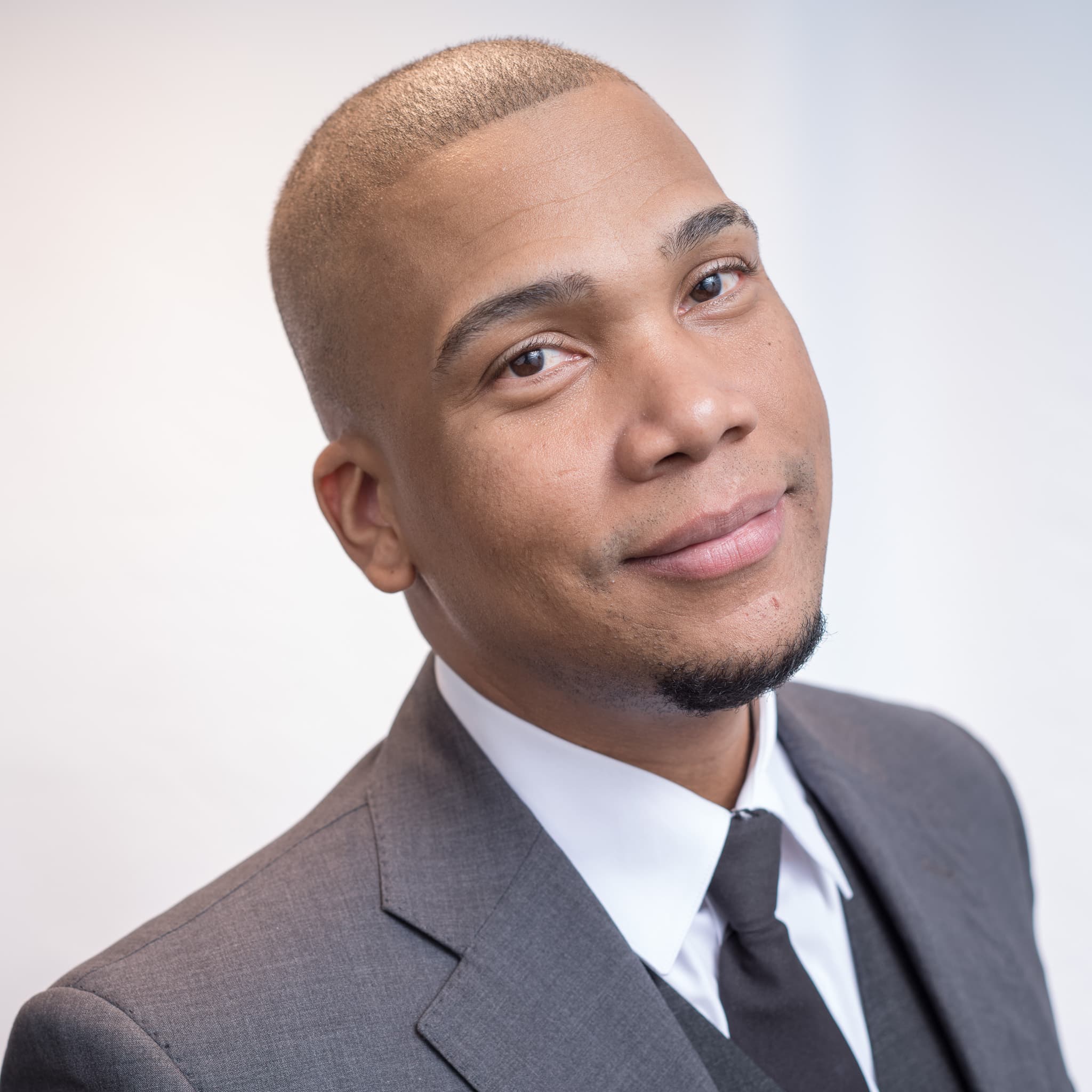
A soft-shoulder headshot is doing approachability and modernity work. It says: I am a person you would want to sit next to on a panel, I run a team people actually like working on, I am the kind of leader who returns a Slack at 9 p.m. but does not need to scream about it, my industry is one where the photo is allowed to look like a human being.
The soft shoulder is right for tech founders, Series A and B operators, product VPs, design and marketing leadership, consultants whose deliverable is influence, podcast and substack press kits, coaching and advisory practices, and any LinkedIn refresh where the next role is in a culture that hires for trust before it hires for compliance. We unpacked the founder-specific version of this call in Series-A Founder Headshots NYC earlier this week.
The fork is not industry-vs-industry. There are litigators who should wear soft shoulders for their podcast press kit and there are tech founders who should wear power suits for their Series C lead investor's board page. The fork is photo-by-photo. Pick the work, then pick the jacket.
The 2026 Power Suit, Decoded
The 2026 power suit is not the 2008 power suit. The silhouette has narrowed at the shoulder by about an inch and a half across the industry, the lapel has narrowed by half an inch, and the trouser break is shorter. If your suit is from 2014 and earlier, it will photograph like a costume on camera and not like authority. This is the most common mistake we see at the Riverdale Bronx studio in 2026: a senior partner shows up in a beautifully maintained 2011 power suit and is genuinely surprised when the test frames come back reading "uncle at a wedding" instead of "fund manager".
What to bring to a power-suit session in 2026:
- Navy or charcoal jacket, notched lapel, two-button, no pinstripe. Solid wool, half canvas or full canvas construction. The shoulder should be lightly padded but not built up: a 2008 shelf shoulder photographs as outdated immediately. If you only own one good suit, make it solid navy.
- White or light blue shirt, spread or semi-spread collar, no button-down. Button-downs photograph casual even under a jacket and you cannot fix that in post. The collar must clear the lapel cleanly when you button the jacket: if it bunches, the shirt is too small or the jacket is too tight.
- Tie optional in 2026, but if worn: solid navy, charcoal, or burgundy knit or grenadine. No printed silk, no club stripes, no novelty. The tie is a flag of seriousness, not a personality reveal. If your industry is finance or law and you are in the senior partner tier, wear the tie. Otherwise, open-collar is allowed and arguably preferred.
- Pocket square is now off the table for LinkedIn. It reads as Instagram-tailor and it dates the photo within 24 months. Save it for the wedding.
- No tie bar, no lapel pin, no Apple Watch on the visible wrist. The photo should have one focal point (your face) and accessories cost focus.
The session-day rule: bring two power-suit options. We shoot a test frame in each, look at the laptop, and pick the one that reads more like the seniority tier you are stepping into next. The decision is faster than you think, usually under 60 seconds, but having two options lets us make it instead of forcing it.
The 2026 Soft Shoulder, Decoded
The soft-shoulder look is harder to get right than the power suit, which is why so many tech founder headshots end up looking like a software engineer who got dragged to a wedding. Unstructured does not mean unconsidered. The 2026 soft shoulder is engineered to look effortless, which is a different production than effortless itself.
What to bring to a soft-shoulder session in 2026:
- Unstructured blazer in navy, charcoal, sage, or a deep earth tone. Cotton, linen-blend in summer, or a knit blazer in winter. The shoulder should fall naturally off your actual shoulder: no padding, no built shoulder. If the jacket looks like a deconstructed version of the power suit, it is doing exactly what we want.
- A solid-colored crewneck or henley in a fine-knit merino, OR an open-collar oxford in white or pale blue. Crewnecks photograph more design-forward; oxfords photograph more operator-forward. Choose based on whether the next role hires you for taste or for execution.
- No tie, ever. A tie under a soft shoulder reads as a costume mismatch and the eye picks it up in half a second.
- The jacket can come off mid-session. A two-look session (jacket on, jacket off) gives you a LinkedIn photo for fundraising and a Substack/podcast photo for the press kit. Same lighting, same wardrobe spine, two different work products.
The session-day rule for soft shoulders: bring three top options instead of one. Soft shoulders are more sensitive to skin-tone interaction than power suits, and the third or fourth shirt is usually the one that ends up in the final select. This is the opposite of the power-suit rule and the most common reason a tech founder's soft-shoulder session feels rushed: they brought one shirt, the test frame is fine but not great, and now we are working uphill.
Color, Across Both Forks
A few rules hold whether you are in a power suit or a soft shoulder:
- Cobalt and royal blue photograph the best on camera, almost universally. If you have one statement-color shirt in your closet, make it a deep cobalt. It photographs friendly without photographing soft, and it is the single most-photographed shirt at the Riverdale Bronx studio across 2025 and into 2026.
- Pure white photographs cleanest under our two-light institutional setup, but only if your skin is medium-to-warm. Cool skin tones photograph better in cream, ivory, or pale blue than pure white, which can flatten the face.
- Black is a trap. It photographs heavy, it loses all shoulder detail, and it makes any background other than pure white look stylized. Black is the wardrobe choice that most often surprises a client in the test frame: they brought it because it is "safe" and the test frame reads "ominous". If you must wear dark, choose charcoal or deep navy instead.
- No micro-pattern shirts. Anything finer than a thumb-sized check or stripe will moire on a 50-megapixel sensor, which is what every modern headshot is shot on. Solids or wide patterns only.
- Match the jacket to your eyes, not to your hair. A blue jacket reads warmer on blue-eyed clients than the same jacket on brown-eyed clients. We adjust the test frame for this, but if you have a choice, lean the jacket color toward your eye color, not against it.
How To Decide, In Under 90 Seconds
The most common question we get the morning of a session is "I have the power suit and the knit blazer hanging up, which one do I wear". Here is the 90-second decision tree:
- What is the next role this photo is hired for? If it is a regulated, fiduciary, or partnership-track role, default to power suit. If it is an operator, founder, advisory, or culture-driven role, default to soft shoulder.
- Who is the most senior person who will see this photo first? A litigation partner reviewing a bar directory will read the soft shoulder as junior. A Series A lead investor reviewing a deck will read the power suit as out-of-touch. Picture the actual face of the most senior viewer and match the wardrobe to their default.
- What does the rest of your LinkedIn look like? If your last three roles are all in regulated industries, a power suit continues the narrative. If you just pivoted from finance to tech, the soft shoulder marks the pivot, and the photo is doing pivot-marking work whether you intended it or not.
- What does your team wear in the office? Match one notch up from the office baseline. If the team is jeans-and-tees, you are in a soft shoulder. If the team is jacket-and-no-tie, you are in a power suit without the tie. If the team is full suit-and-tie, you are in a full suit and tie.
- Default tie-breaker: in 2026, when in doubt, soft shoulder. The decade has tilted there. The penalty for being one notch too casual is smaller than the penalty for being one notch too formal, and we can always add the jacket back for a second frame.
The decision takes longer to explain than to make. Most clients make the call in the first 30 seconds after looking at the test frame. The point of the tree is to make sure you brought both options to the studio, not to make the call before you got there.
Grooming, Glasses, and the Accessories That Actually Move the Photo
A few small notes that move the final frame more than people expect:
- Hair cut 5 to 7 days before the session, not the day before. A same-day cut photographs as "just got a haircut", and that is the look you want for prom, not for a partner photo.
- Glasses: bring them, but also bring the case. We shoot a frame with glasses on and a frame with glasses off, and let you pick. About a third of clients pick the no-glasses frame even though they wear them every day, because the lens introduces a reflection management problem and a focus-cue split.
- Stubble or full beard is allowed under both forks in 2026. A trimmed, intentional beard photographs as authoritative, not as casual. A 3-day "didn't shave" beard photographs as tired. The fork is intentional vs not, not bearded vs not bearded.
- No watches on the visible wrist for a headshot. They cost focus and they date the photo within an Apple Watch generation. If your photo includes hands or arms (a personal branding session, not a tight headshot), a quiet leather-strap mechanical photographs best.
- Makeup, on any gender, should be one notch heavier than you wear it daily. The camera eats subtlety. A light contour, a matte foundation to kill forehead shine, and a neutral lip moves the photo two tiers up. If you do not wear makeup daily, our test frame will tell you what you need: most often, just powder.
Frequently Asked Questions
Should I wear my company-logo jacket or polo?
No, unless the photo is for an internal directory or an external trade-show badge. A logo dates the photo to a single employer, and most LinkedIn photos outlive at least one job change. Save the logo for the company team page.
Is it OK to wear a turtleneck for a NYC LinkedIn headshot?
Yes, especially in winter and especially under a soft shoulder. A fine-knit merino turtleneck in navy, charcoal, or cream photographs cleanly and is one of the most flattering necklines on camera. The trap is a chunky cable-knit turtleneck: it adds visual weight under the chin and shortens the neck on camera.
What about a sweater alone, no blazer, no shirt?
It works for personal branding sessions and Substack press kits, less well for a primary LinkedIn headshot. A solid fine-knit crewneck in a saturated color (cobalt, forest, deep camel) photographs beautifully but it reads softer than most LinkedIn use cases want. Bring it as the second look, not the first.
Do I need to bring multiple wardrobe options?
Yes. The minimum is two: bring your default option plus one alternate. The ideal is three. We use the test frame to choose, and a single option means a single test frame, which means we are committing on the first 60 seconds of light. With two or three options the final select is materially better and the session does not take longer.
Can I shoot the LinkedIn headshot outdoors at Van Cortlandt Park in either look?
Yes, with one caveat. The power suit photographs cleanly outdoors in natural light, and the soft shoulder photographs even better outdoors than indoors: the natural light flatters unstructured fabrics. The caveat is wind: a knit blazer or a soft cotton jacket will move in wind, and a power suit jacket will not. On a windy day we shoot the power suit option outdoors first, then the soft shoulder indoors, instead of the other way around.
Booking Your Session
We run two-light institutional headshots out of the Riverdale, The Bronx studio and a Midtown Manhattan studio, with Van Cortlandt Park as the outdoor option. Sessions are $95 (Stroll & Shoot) or $149 (Outdoor Headshot), with larger sittings quoted on request, retouching is delivered in 48 hours, and we are one of the few NYC studios that will quote you the wardrobe call from the booking form forward instead of pretending it is your problem alone.
Book your session: weekend availability, two studios, booked as late as two days before.
Service pages worth reading next: Executive Portraits, LinkedIn Headshots, Corporate Headshots, and Personal Branding Photography.
Looking to update your professional image? executive portrait photographer NYC: sessions in Riverdale, NYC, booked as late as two days before.
Explore NYC Headshot Services
Sessions from $95, booked as little as two days ahead. Retouched delivery in 48 hours.
Related Reading
Ready to Create Something Beautiful?
Whether it's a portrait session, a brand shoot, or a commercial project. Let's bring your vision to life.