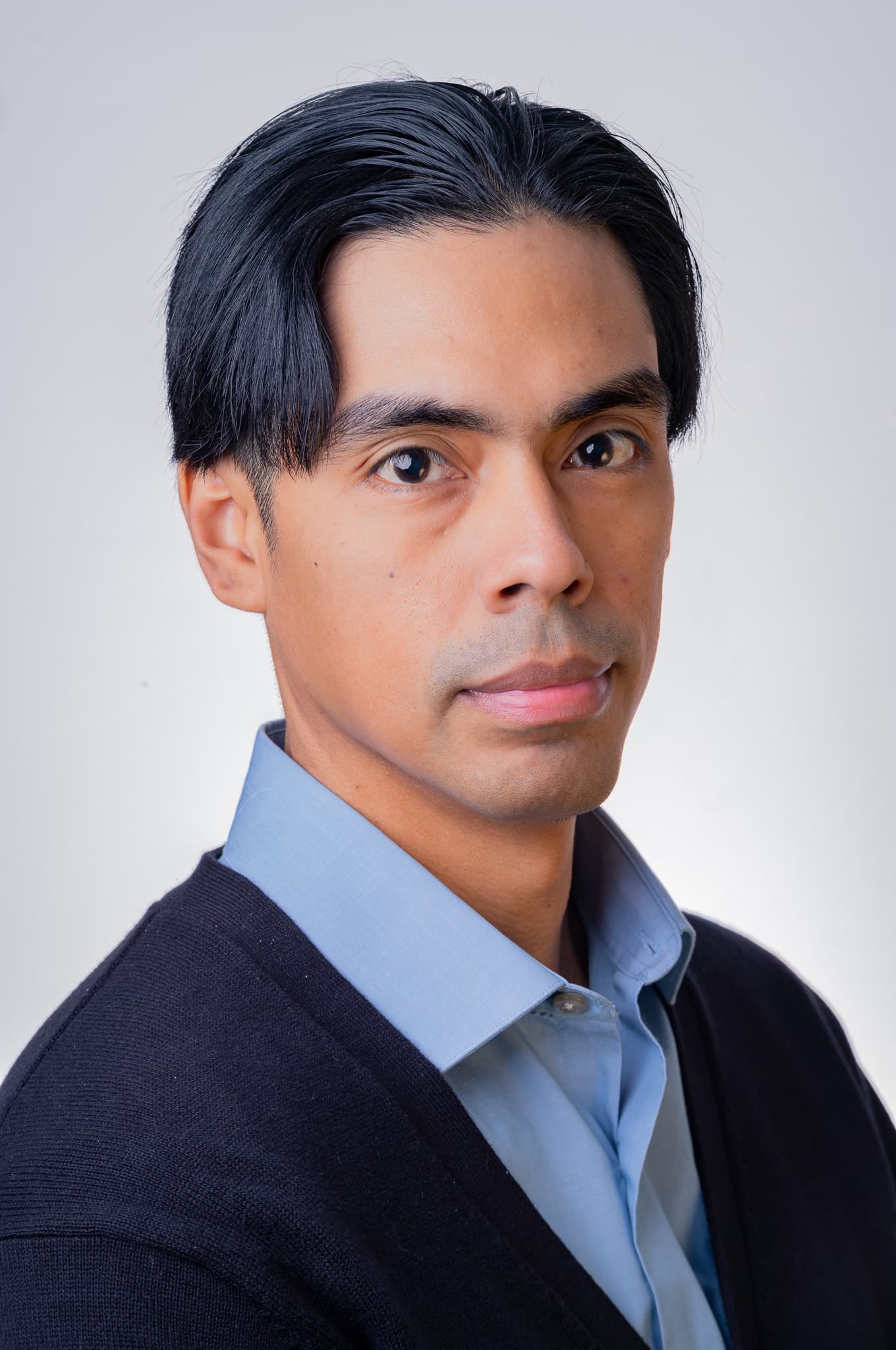
BigLaw Partner Headshots NYC: The Bar Directory and LinkedIn Pairing That Wins Clients in 2026
If you make partner at a New York BigLaw firm, your headshot has a heavier job than it did when you were a sixth-year. A partner-level portrait isn't a profile photo. It's a marketing asset that sits at the top of a firm bio, anchors a state bar directory listing, leads a Chambers submission, and signals to a potential client searching "M&A partner NYC" whether you are someone they want negotiating against opposing counsel for the next eighteen months. After years photographing partners and counsel out of my Riverdale studio in The Bronx (folks at AmLaw 100 firms, boutique trial shops, and the in-house teams that hire them), I've watched a specific pattern separate partners whose business development pipeline accelerates from those whose headshots quietly drag on referrals. It's the dual-asset session: one image optimized for bar directories and firm bios, a second optimized for LinkedIn and earned-media placements. Most partners shoot one and hope it works everywhere. The partners winning client conversions in 2026 shoot both, deliberately, in the same hour-long session.
Book Your Session: partner-level sessions book as late as two days before, and I deliver final retouched files inside 48 hours.
Why BigLaw Partners Need Two Headshots, Not One
A single headshot tries to do two jobs at once and ends up mediocre at both. Here's what the two assets are actually for, and why they fight each other when collapsed into one image.
The Bar Directory and Firm Bio Photo
This image lives on the New York State Unified Court System attorney directory, on Martindale-Hubbell, on Chambers, on Super Lawyers, on AVVO, and at the top of your firm bio page. It also lands inside court filings (some judges require attorney photos), pitch decks, conference materials, and trade publications like Law360, Bloomberg Law, and the New York Law Journal.
The requirements are conservative on purpose. A neutral or muted backdrop. A clean two-piece suit. A composed, slightly serious expression. The image needs to scale from a postage-stamp 80-pixel thumbnail next to your name in a directory list to a 1,200-pixel feature image in a magazine masthead, both at sharp focus. It needs to read as "this is a real lawyer who handles real matters" at every scale.
The LinkedIn and Speaker Bureau Photo
This image runs on LinkedIn, your speaker bureau bio for ABA panels, your podcast guest profile, alumni magazine columns, the bylines you place in industry trades, and any in-house newsletter or pitch deck where you need to look like someone a Series C founder, a hedge fund GC, or a corporate board member would actually want to meet for coffee at the Yale Club.
The requirements here run almost opposite to the directory shot. Slightly warmer expression. More approachability. A wider crop with environmental context: wood paneling behind you, a soft window-light catch on the suit, even a subtle hint of an office wall. The image needs to communicate "this person is a partner and someone you'd hire for a complicated, ambiguous problem."
A single image that tries to bridge both jobs ends up serving neither well. The directory crowd reads the LinkedIn warmth as unserious. The LinkedIn crowd reads the bar-directory stiffness as cold and inaccessible.
The Bar Directory Photo: What Federal and State Directories Demand
I've reformatted enough images for state bar updates and federal district court filings to know the requirements down to the pixel. Here are the specs that matter when you're shooting the directory asset.
Aspect Ratio and Crop
Most attorney directories (the NYS court system, the Eastern District of New York's attorney directory, the New Jersey bar, Martindale, Chambers, Super Lawyers) accept either a square (1:1) or portrait (4:5 or 3:4) crop. Avoid wide landscape crops at this asset; they don't fit any of these systems cleanly.
Crop the image so your chin sits roughly one-third down from the top of the frame, with your shoulders square and a small margin above the head. Tight chin-to-forehead crops are out of style and reproduce poorly at directory thumbnail size.
Background
Conservative neutral. The 2026 standard is a warm taupe, soft charcoal, or textured dove gray, never a hard battleship gray and never a stark white. White backgrounds blow out at small directory sizes and make the suit look ungrounded. Heavy patterned backdrops or office environments do not pass the conservative bar most firms apply to directory submissions.
Wardrobe
A solid two-piece suit, navy or charcoal, with a crisp white or pale blue shirt. For partners who wear ties: silk in burgundy, navy, deep red, or a quiet repp stripe. For partners who don't: a buttoned shirt under the suit reads cleanly without a tie when the lapels and shoulder lines are tailored properly. The directory photo is not the place for soft-shoulder jackets, knit ties, or anything trendy. Tailoring matters more than the price of the garment: a $700 suit fitted by a real tailor reads better than a $4,000 suit straight off the rack.
Expression
A composed, neutral, slightly serious expression. Not a smile, but not stern either. The mouth should be relaxed and closed or barely parted. The eyes should be alive and direct. Partners who try to look "stern" on directory photos end up looking grumpy at thumbnail size. Aim for the expression you have during opening statements: present, prepared, and in control.
File Format and Size
Most directories accept JPEG at 300 DPI, color profile sRGB, minimum 1200 pixels on the long edge. I deliver 2400 pixels on the long edge as standard, which future-proofs the image for any directory upgrade or print publication.
The LinkedIn Photo: What Wins Referrals (And What Reads Wrong)
If the directory photo is your work uniform, the LinkedIn photo is the moment a referral source clicks your profile and decides whether to forward you a $4M transaction. The bar is different, and most BigLaw partners get this image wrong by treating it like a directory submission.
What Wins on LinkedIn for Partners in 2026
A 4:5 portrait crop with the shoulders open and a slight angle to the body, not square-on like a passport photo. A warmer expression than the directory shot; a closed-mouth smile that reaches the eyes, or a relaxed open expression mid-conversation. Soft, directional light that puts a clean catch in the eyes and a gentle shadow under the jaw: the kind of light a south-facing window throws at 11:00 a.m.
A backdrop with environmental signal but not distraction: wood paneling, a hint of a leather-bound shelf, a textured warm wall. Not a Manhattan skyline composite, not a stock office. Real texture. Some of the best LinkedIn partner shots I've made have a barely-visible soft-focus suggestion of an interior: enough to read "established practice," not enough to compete with the face.
What Reads Wrong on LinkedIn for Partners
- The repurposed directory shot. Square aspect ratio, flat gray backdrop, no expression. It tells your LinkedIn audience "I haven't updated this in seven years."
- The over-styled corporate shot. Hands crossed in front of the body, gleaming highlights bouncing off polished shoes. It reads like a stock photo, which is the opposite of trust.
- The conference-badge selfie. Cropped iPhone photo from a CLE event with the lanyard still in frame. This is the single most common BigLaw partner LinkedIn photo, and it actively damages credibility for partner-level rates.
- The black-and-white "moody" portrait. Out of step with how clients evaluate counsel in 2026. Color photographs of partners convert better in BD pipelines than black-and-white, every time I've A/B tested it across firms I work with.
Wardrobe and Posing for the Dual-Asset Session
The trick to delivering both assets in one hour is wardrobe planning. We don't shoot two outfits: we shoot one foundation outfit and one targeted change.
Foundation Outfit (Directory and Conservative Bio)
Navy or charcoal two-piece suit. White or pale blue spread-collar shirt. Silk tie in a conservative pattern, or no tie with the top button closed. Polished black or dark brown leather watch on the left wrist (we won't see it in the directory crop but it stays consistent for the LinkedIn frame). Hair clean, controlled but not over-styled.
Targeted Swap (LinkedIn and Speaker Bureau)
For partners who want the LinkedIn shot to feel warmer: jacket stays on, tie comes off, top button stays closed. For partners who want the LinkedIn shot to feel sharper and more authoritative: keep the tie, swap to a textured shirt, a tonal stripe or a chambray, and unbutton the jacket for a more relaxed line. For partners working at firms with a softer culture (litigation boutiques, plaintiff-side, in-house counsel making appearances on panels): swap the suit jacket entirely for a quality unstructured blazer in navy or warm charcoal.
We change in about 90 seconds in the studio. The lighting is already dialed; the second look gets the same technical sharpness as the first.
Posing Cues That Translate Across Both Assets
- Shoulders open, not square. A small rotation of the torso, about 15 degrees from camera, flatters the jacket line and reads more confident than a flat front pose.
- Chin slightly forward and down. This tightens the jawline without looking like you're staring at the floor. Partners over 45 specifically benefit; this single cue takes five years off the apparent age of the headshot.
- Weight on the back foot. Even though we're cropping at the chest, your posture follows your stance. Front-foot weight pushes the chest forward and looks tense. Back-foot weight settles the shoulders.
- Hands out of frame for the directory shot, optional for LinkedIn. A LinkedIn frame can include hands in a relaxed gesture: a watch in view, fingers loosely curled. Hands in the directory shot only add distraction at thumbnail size.
- Eyes to the lens, then to the side, then back. I'll cue this three-step on every shot. The "back to the lens" frame is almost always the keeper: your eyes settle the most authentically when they've just returned from elsewhere.
How a Fuentes Studio Partner Session Runs (Riverdale, The Bronx)
Most BigLaw partners I shoot are based in Midtown, the Financial District, or Hudson Yards. The studio is in Riverdale, The Bronx, about 25 minutes from Grand Central on Metro-North, 35 minutes from FiDi by car off-peak, and we validate parking for partners who drive up. Many partners block 90 minutes total: 60 in the studio, 30 of buffer for the drive.
Pre-Session
I send a wardrobe brief 48 hours ahead with the outfit guidance above tailored to your practice area. If you're in M&A or trial work, I'll lean the brief toward formality. If you're in plaintiff-side litigation, employment, or family law, I'll lean toward approachability without softening authority.
The Session
We start with the foundation outfit and shoot the bar directory and firm bio asset first. This usually takes 25-30 minutes, including lighting micro-adjustments and a few crop variations. I'm shooting tethered, which means you can see images on a large monitor as we go: most partners want to verify the suit lines look right and the expression reads correctly before we move on.
We swap to the LinkedIn look, the light shifts to a slightly warmer key, and we shoot the second asset for another 20 minutes. By the end of the hour, you'll have reviewed 60 to 90 frames and we'll have flagged about 10 to 15 keepers per asset.
Selects and Delivery
Within 24 hours I send a private gallery with the keepers, usually 8 to 12 images per asset, for you to choose from. Most partners pick three: a directory hero, a LinkedIn hero, and an "off-look" image they hold in reserve for press placements or speaking engagements.
I retouch the selections to the modern partner standard: texture preserved, blemishes and stray hairs cleaned, no skin-smoothing, no jawline reshaping. Final retouched files arrive inside the 48-hour delivery window in two formats: a directory-spec file (square crop, 2400px, sRGB) and a LinkedIn-spec file (4:5 crop, 2400px, sRGB). I also include a 1500x1500 LinkedIn-optimized export sized for their compression so the image survives the upload without softening.
Pricing for a Partner Dual-Asset Session
The studio's executive portrait tier covers the dual-asset partner session and is quoted by outfits and retouching depth. Quotes typically land well below the $1,500–$3,500 range partners pay at boutique Manhattan studios for the same scope, and the delivery window is faster.
How Fuentes Compares for BigLaw Partner Headshots
Below is an honest comparison of the partner-level NYC market based on what I see when partners come to me from other studios for a refresh or a corrective session.
Manhattan Boutique Studios (Hancock Headshots, Joe Jenkins, Jonathan Heisler)
Price band: $750–$2,500 for a partner session. Strengths: established Midtown locations convenient to most BigLaw offices, polished workflows, name recognition partners can mention to firm marketing. Weaknesses: heavier retouching style that some partners describe as "over-finished," longer delivery (typical 5–7 days vs. my 48-hour window), and pricing structures that often charge per retouched file rather than including the deliverables. Most of these studios will shoot a strong directory asset; fewer have a documented LinkedIn-second-asset workflow.
Chain Headshot Studios (Picsy, talsstudio, similar)
Price band: $149–$399 entry tier. Strengths: low price point, fast scheduling, predictable studio output. Weaknesses: assembly-line approach that doesn't accommodate dual-asset partner sessions, limited tethered review, very tight retouching SLAs, and a one-size-fits-all aesthetic that reads junior at partner level. Fine for an associate refresh; thin for a partner who'll use the asset on Chambers and Law360.
Independent NYC Headshot Specialists (Match Production, Curtis Cort)
Price band: $400–$1,200. Strengths: skilled photographers who understand the lawyer aesthetic and deliver clean files. Weaknesses: most are single-location indoor-only studios in Manhattan, schedules book 3–6 weeks out for partner-level sessions, and few document the dual-asset workflow explicitly.
Fuentes Studio (Riverdale, The Bronx)
Price: quoted on request for the partner dual-asset session. Strengths: dual-asset workflow built into the standard hour, 48-hour final delivery, tethered review during the shoot, retouching style tuned for the modern partner standard (texture preserved, no skin-smoothing), and outdoor session options at Van Cortlandt Park for partners who want a warmer environmental LinkedIn frame. Trade-off: 25 minutes north of Midtown. Most partners block 90 minutes total including travel; some prefer Manhattan proximity even at higher cost.
Frequently Asked Questions
How often should a BigLaw partner update their headshot?
Every 2 to 3 years for active partners, sooner if your role changes substantively (practice group move, lateral, promotion to executive committee). The bar directory shot has a longer useful life than the LinkedIn shot; partners with active personal-brand activity on LinkedIn often refresh the LinkedIn asset every 18 months while keeping the directory shot for 3 years.
Can I use the same headshot for my bar directory and LinkedIn?
You can, but you'll underperform on at least one channel. Directory and bio platforms favor a conservative composed expression at a tight crop; LinkedIn favors a warmer, more open expression at a wider crop with environmental signal. A single image compromises both. The dual-asset session adds about 20 minutes to the shoot and zero days to the delivery window.
Do I need to bring my own outfits or does the studio provide them?
You bring your own. I'll send a wardrobe brief 48 hours before the session with specific guidance: colors, fits, what to avoid. The single most common mistake is bringing a suit that hasn't been tailored in 18 months. A 30-minute tailoring visit before the shoot will improve the image more than any post-production work.
What's the turnaround if I need the photo for a Chambers submission deadline?
48-hour final delivery is standard. If you have a Chambers, Super Lawyers, Best Lawyers, or Law360 ranking submission with a hard deadline inside the 48-hour window, message me when you book and I'll schedule the session against your deadline: same-day delivery can often be arranged on request.
Will the studio handle the file formatting for specific directories like Martindale or the NYS court system?
Yes. Standard deliverables include a directory-spec file (1:1 crop, 2400px) and a LinkedIn-spec file (4:5 crop, 2400px). If a specific directory has unusual requirements, older state bars sometimes still require very small file sizes or specific aspect ratios, flag the directory in your booking and I'll include a custom-spec export at no additional charge.
---
Updating your firm bio, bar directory, and LinkedIn before the next Chambers cycle? book a headshot session in NYC: partner sessions in Riverdale, The Bronx, booked as late as two days before, with 48-hour delivery. See more on the executive portraits and headshots for lawyers pages, or book directly.
Explore NYC Headshot Services
Sessions from $95, booked as little as two days ahead. Retouched delivery in 48 hours.
Related Reading
Ready to Create Something Beautiful?
Whether it's a portrait session, a brand shoot, or a commercial project. Let's bring your vision to life.