How to Choose the Perfect Location for Your Photo Shoot
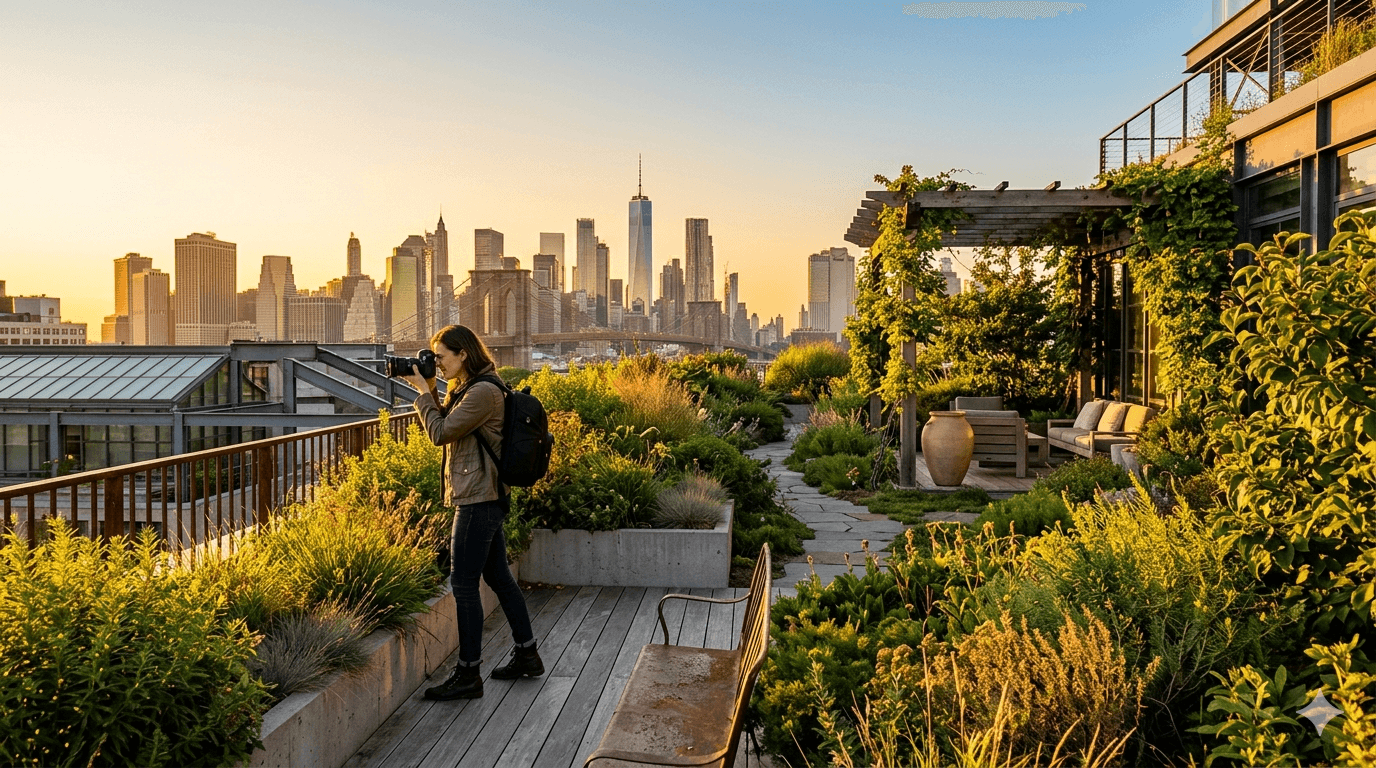
Location is one of the most underestimated elements in photography. While lighting and posing get most of the attention, the backdrop and environment of a shoot shape the entire mood, color palette, and narrative of the final images. Choosing the right location isn't about finding the most dramatic scenery. It's about finding the place that serves the story you're trying to tell.
Start With the Story
Before you open Google Maps or start scrolling through location boards, ask a fundamental question: what feeling should these images evoke? A corporate headshot session demands a different environment than an engagement shoot, and a brand campaign for a wellness company needs a completely different backdrop than one for a tech startup.
I always begin location planning during the initial consultation. We talk about the purpose of the images, the audience who will see them, and the mood we want to create. A couple who loves hiking might feel most at home on a mountain trail at golden hour. A business owner building a personal brand might be most authentic in their own workspace. The best location is the one where the subject feels connected to the space.
Consider the Light
Every location is a lighting environment first and a visual backdrop second. A gorgeous urban alley might look incredible at sunset but become a harsh, unflattering mess at noon. A dense forest canopy can provide beautiful dappled light in the morning but turn too dark by late afternoon.
When I scout a location, I think about what time of day we'll be shooting and where the sun will be positioned. South-facing walls and open shade from buildings are incredibly reliable for consistent, flattering light. Parks and open fields are stunning during golden hour but can be challenging at midday without tree cover or a reflector.
If you're choosing between two locations, pick the one with better natural light options. You can style around a plain background, but you can't manufacture golden hour.
Urban vs. Natural Settings
Urban environments offer structure, texture, and visual contrast. Brick walls, metal staircases, graffiti, glass reflections, and architectural lines all create dynamic backdrops that add energy and sophistication to images. Cities also tend to offer covered areas, which means backup options if weather changes.
Natural settings (parks, beaches, meadows, mountain trails) bring warmth, color, and a sense of openness. They work beautifully for portraits, family sessions, and lifestyle brand shoots where you want the images to feel organic and relaxed. The trade-off is less control over conditions. Wind, rain, and changing light are all factors you need to plan around.
Many of my favorite sessions combine both: we start in an urban area with interesting architecture, then move to a nearby park or waterfront for softer, more natural images. Variety in location creates variety in the final gallery.
Practical Considerations
Beauty alone doesn't make a great shoot location. You also need to think about accessibility: can your subject walk comfortably to the spot in their outfit and shoes? Is there parking nearby? Are there restrooms available for outfit changes?
Permission matters too. Some locations require permits for professional photography, especially if you're using lighting equipment or large groups are involved. Public parks, beaches, and downtown areas often have specific rules. I always research permit requirements in advance and handle the logistics so my clients don't have to worry about it.
Privacy is another factor. If your subject is someone who feels more comfortable with fewer onlookers, avoid crowded tourist spots and choose quieter streets, private gardens, or studio environments where they can relax without feeling watched.
Scouting Tips
I recommend visiting a potential location at approximately the same time of day you plan to shoot. Photos and Google Street View can be misleading: they don't capture the quality of light, the level of foot traffic, or the ambient noise that might affect the experience.
When I scout, I'm looking for several things: the direction and quality of light at different times, interesting textures or architectural elements for variety, areas of open shade for consistent lighting, and background elements that might distract from the subject. I also take test shots on my phone to preview compositions and light angles.
If you can't visit in person, tools like SunCalc and Google Earth can help you understand light direction and terrain. Instagram location tags are another great resource: search the location to see how other photographers have used the space.
Indoor and Studio Options
Sometimes the perfect location is indoors. Studios offer complete control over lighting, temperature, and background. They're ideal for headshots, product photography, and editorial work where consistency is key.
But you don't need a professional studio to shoot indoors. Homes, offices, cafes, and co-working spaces can all serve as beautiful, authentic locations, especially for brand photography. A founder photographed in their own office tells a more compelling story than the same person in a generic studio setting.
Large windows are your best friend for indoor shoots. A room with floor-to-ceiling windows and neutral walls can rival any studio for portrait quality, with the added benefit of feeling warm and lived-in rather than clinical.
Matching Location to Wardrobe
The best location choices complement the wardrobe plan. Earth tones and flowing fabrics look stunning against natural landscapes. Bold, structured outfits pop against clean urban backgrounds. Monochromatic styling works beautifully in minimalist studio settings.
I always coordinate location and wardrobe planning together rather than treating them as separate decisions. When both elements work in harmony, the resulting images feel cohesive and intentional, like everything belongs in the same visual world.
Trust the Process
If you're feeling overwhelmed by location choices, that's completely normal. Most clients trust me to handle location selection based on our consultation conversation, and I'm always happy to present two or three options with photos so you can choose the one that resonates most.
The right location isn't about being perfect. It's about being right for you, your story, and the images we're creating together. Everything else is just details, and details are what I'm here to handle.
Explore NYC Headshot Services
Sessions from $95, booked as little as two days ahead. Retouched delivery in 48 hours.
Related Reading
Ready to Create Something Beautiful?
Whether it's a portrait session, a brand shoot, or a commercial project. Let's bring your vision to life.