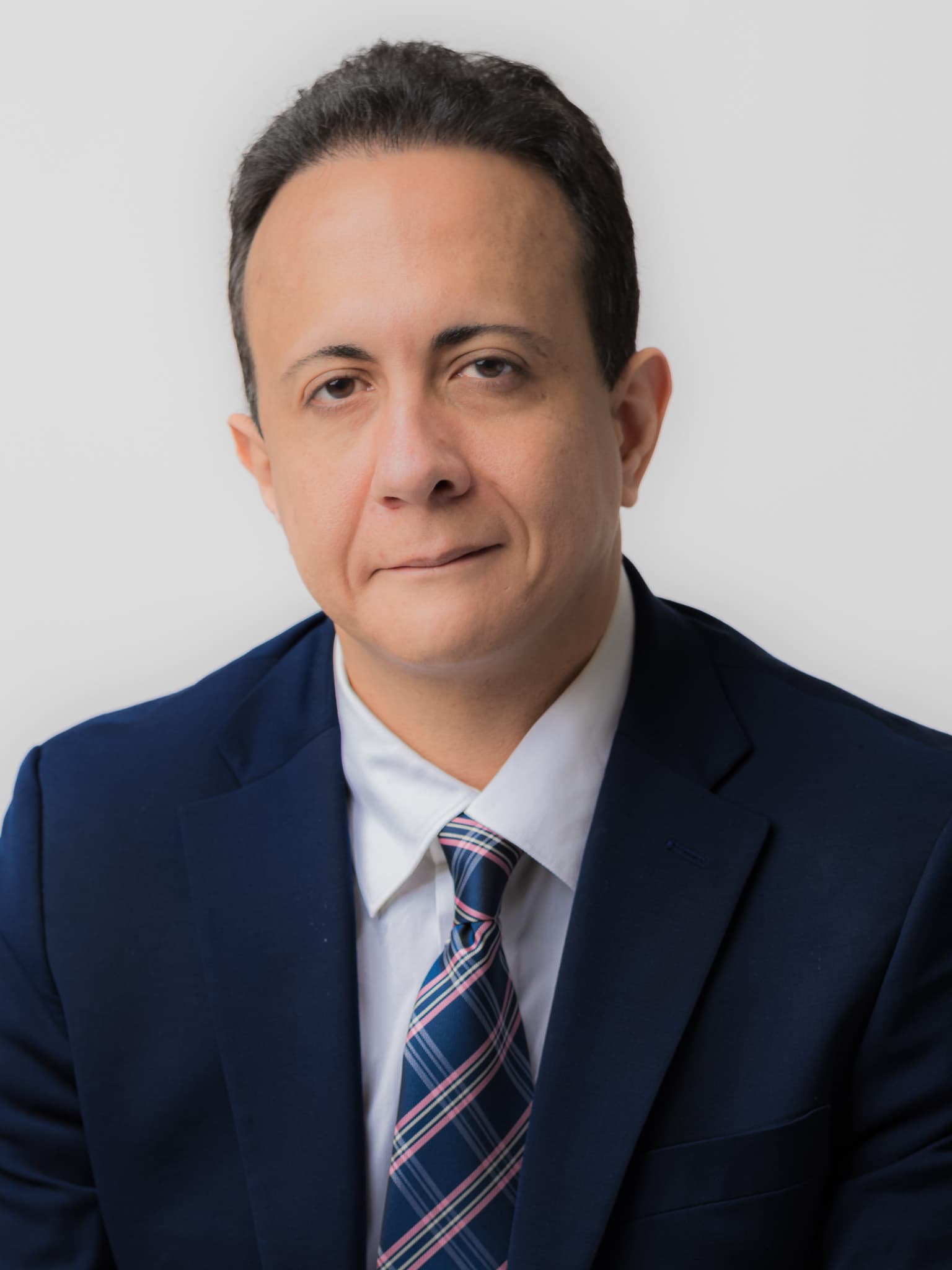
How Much Should a Professional Headshot Be Retouched? (NYC, 2026)
There is a moment in every headshot edit where you can go too far. One more slider, one more smoothing pass, and the photo stops looking like a good day and starts looking like a filter. The people who see your headshot most (recruiters, clients, colleagues who will meet you in person) notice the difference instantly, even if they can't name what's wrong.
Retouching is the least understood part of professional photography. Clients ask for it constantly ("can you clean me up?") but rarely know what they're actually asking for, and photographers rarely explain the choices they make after you leave the studio. So here is the honest version, from a photographer who edits every frame by hand: what gets retouched, what stays, and why the most credible headshots are almost always the least edited.
Ready to book? Book Your Session: headshots at our Riverdale studio in The Bronx, booked as late as two days before.
The one rule that governs every edit
The test for any retouching decision is simple: would this still be true if we met tomorrow?
A stray hair, a bit of shine on the forehead, a piece of lint on your collar, a shadow from a long day: those are temporary. They weren't there last week and won't be there next week. Removing them just returns you to your baseline. That's fair game.
A permanent freckle, the line of your smile, the shape of your nose, the gray coming in at your temples: those are you. Edit them out and the photo makes a promise your face can't keep. The person who interviews you will notice the gap, and the gap costs you more than the flaw ever would.
Every good retoucher works inside that rule, whether they've articulated it or not. Temporary comes out. Permanent stays. The skill is in knowing which is which and stopping at the line.
What actually gets retouched (and why)
Here is the real checklist a working headshot photographer runs on a portrait, roughly in order:
- Blemishes and temporary marks. A breakout, a scratch, a cold sore, a bit of razor irritation: anything that flares up and fades. These come out completely, because they aren't a feature of your face.
- Flyaway hairs. The few strands that lift off in the studio lights and cross your forehead. Distracting, temporary, gone.
- Skin shine. Foreheads, noses, and cheekbones catch light and read as sweat on camera. We knock the shine down so the skin looks matte and calm, not plastic, just not glaring.
- Under-eye tone. We lighten shadows and puffiness by maybe a third, not to zero. The goal is "slept fine," not "airbrushed mannequin." Eyes that are too clean look eerie.
- Stray wardrobe issues. Lint, a bunched collar, a twisted lapel, a bra strap that crept into frame. These are wardrobe accidents, not you.
- Color and exposure. White balance, contrast, and skin-tone accuracy so you look like you do in good daylight, not under a green office fluorescent. This is the single biggest driver of a headshot looking expensive, and most people never notice it's happening.
- Background cleanup. A smudge on the backdrop, an uneven gradient, a distracting edge. On location, sometimes a trash can or a sign that pulls the eye.
Notice what is not on that list: reshaping your jaw, shrinking your nose, erasing wrinkles, whitening teeth to fluorescent white, or smoothing skin into a single flat tone. Those are the edits that get a headshot flagged as fake, and in a business context, fake is worse than flawed.
Why restraint reads as more expensive
This is the counterintuitive part. Clients often assume that more retouching equals a more premium result. The opposite is true.
Heavy retouching is what cheap, high-volume operations do, because it's fast and it hides bad lighting. If the light was flat and the exposure was off, you can bury the problem under skin smoothing and call it "polished." It photographs like a passport booth trying to look like a magazine.
Good light does the opposite work. When the lighting is shaped correctly in the studio, the skin already looks even, the eyes already have life, and the face already has dimension. There's very little left to fix, so the edit is light, and light edits are what preserve the texture and detail that the eye reads as "real, and expensive." The money is spent before the shutter clicks, not after. If you want to understand what actually separates a premium headshot from a cheap one, we broke that down in detail in our piece on what makes a headshot look expensive.
There's a reason our executive portrait work leans on real light and minimal retouching: the people in those photos are going to be recognized in a boardroom. The photo has to survive the in-person comparison. Over-editing doesn't just look cheap: it fails the one job the portrait has.
Retouching by use case
Not every headshot needs the same touch. The context changes the target.
LinkedIn and professional profiles
This is where restraint matters most, because your profile photo sits next to your name in every message you send and every search you appear in. People will meet you after seeing it. Light retouching (blemishes, shine, tone) and nothing that changes recognition. Your LinkedIn headshot should look like the best version of a normal Tuesday, not a different person. If a colleague can't match the photo to your face across a conference table, the photo has failed.
Corporate and executive
Slightly more polish is appropriate here, because these portraits appear in annual reports, press, and speaking bios where production value is expected. But "more polish" means cleaner backgrounds and more careful color, not more skin smoothing. Executives, more than anyone, need to look exactly like themselves, because they're the most likely to be recognized.
Actors and creative headshots
This is the one category where retouching gets lighter, not heavier. Casting directors specifically want to see skin texture, real features, and how you actually look, because they're matching you to a role and to an in-person callback. Over-retouched actor headshots get thrown out. This is the clearest proof that "more editing" is not the premium signal people think it is.
Where good photographers draw personal lines
Some retouching questions don't have a single right answer. They're judgment calls, and honest photographers will tell you where they stand.
- Gray hair: We leave it. It's you, and for most professionals it reads as experience, not age.
- Wrinkles and smile lines: We soften harsh shadow, never remove the line. Erasing expression lines erases character and ages badly the moment you meet someone.
- Teeth: We reduce yellow toward natural, never to billboard white. Fluorescent teeth are one of the fastest tells of an amateur edit.
- Weight and face shape: We don't reshape. Lighting and angle do the flattering work in-camera; liquifying the jaw crosses the honesty line and never looks right.
- Scars, freckles, and distinctive features: We ask. Some clients want a freckle kept because it's theirs; some want a temporary scar softened. It's your face: you get a say.
The through-line is that the best retouching decisions are made with the client's identity in mind, not against it. A portrait that erases what makes you recognizable isn't a better portrait. It's a stranger.
The AI retouching problem in 2026
There's a newer wrinkle worth naming, because it's changing what "over-retouched" looks like. AI editing tools can now generate skin, reshape faces, brighten eyes, and even swap expressions in a single click. They're fast, they're everywhere, and they are the biggest threat to headshot credibility we've seen.
The problem isn't that AI retouching is bad at its job. It's that it's too good at the wrong job. AI doesn't know the difference between a temporary blemish and the permanent character of your face, so it smooths both. It doesn't know that your smile line is yours, so it softens it into someone else's face. The result photographs clean and reads hollow: the "uncanny valley" look that recruiters have already learned to distrust.
We use software for the mechanical parts of retouching, the same way every studio has for twenty years. What we don't do is let a model decide what your face should look like. Every frame we deliver is edited with a human eye checking one question on every pass: does this still look like the person who's going to walk into the room? An algorithm optimizing for "flawless" will always answer that question wrong, because flawless was never the goal. Recognizable was.
If you're comparing photographers in 2026, this is a fair thing to ask directly: how much of your retouching is automated, and who's checking that it still looks like me? The answer tells you whether you're buying a portrait or a plausible fake.
How to talk to your photographer about it
You don't need to know retouching vocabulary. You just need to say one honest sentence before the shoot: "Here's what I'm self-conscious about, and here's what I don't want changed."
Good photographers want that information. It saves a revision round and it tells us where your comfort lines are. If you love your freckles, say so. If a scar is important to you, say so. If you've got a breakout you're worried about, we've already planned to handle it, but hearing it from you means we won't over-correct.
And if a photographer's portfolio looks plastic (skin with no pores, eyes with no shadow, everyone glowing the same way) that's a style choice, and it's a signal. It usually means the retouching is doing the work the lighting should have done. At our Riverdale studio in The Bronx, we'd rather spend the effort on light and expression, deliver your gallery in 48 hours, and hand you a photo that still looks like you across a table.
Ready to book? Book Your Session: 5.0 Google rating, 48-hour delivery, sessions from $95.
FAQ
How much retouching is included with a professional headshot? At Fuentes Studio, standard retouching (blemishes, shine, flyaways, tone, color, and background cleanup) is included on every selected image, delivered within 48 hours. We don't upsell "premium retouching" as a separate line, because good, restrained editing is just part of the job, not an add-on.
Can you remove wrinkles or make me look younger? We soften harsh shadows and temporary tiredness, but we don't erase expression lines or reshape features. The goal is to look like your best real self, not a different age. Portraits that over-correct age poorly and fail the in-person test the moment someone meets you.
Will the retouching make my headshot look fake? No. That's the entire point of a light-touch approach. We edit temporary things (a breakout, shine, a stray hair) and leave permanent things (your features, freckles, and character) alone. The most credible, expensive-looking headshots are the least obviously edited.
Can I ask for changes after I see the final images? Yes. If something in the retouching feels off, too much or too little, tell us and we'll adjust. Your face, your call. Most clients don't need a revision because we edit conservatively and check recognition first, but the option is always there.
Do you retouch on-location and outdoor headshots differently than studio ones? The philosophy is the same, but outdoor sessions often need more background attention (removing a distracting sign, evening out dappled light) while studio sessions need more precise skin and color work. Either way, the face gets the same restrained treatment.
---
The best compliment a headshot can get isn't "wow, that's so edited." It's "that looks exactly like you, on a great day." That's the whole target, and hitting it is mostly about knowing when to stop.
If you've been putting off updating your headshot because you're worried it'll look overdone, that worry is a good instinct: it means you'd notice the difference, and so will everyone who sees the photo. The fix is a photographer who edits with a light hand and a clear rule.
Looking to update your professional image? headshot photographer in Riverdale, The Bronx: sessions in Riverdale, NYC, booked as late as two days before. Loved your photos? Leave us a review.
Explore NYC Headshot Services
Sessions from $95, booked as little as two days ahead. Retouched delivery in 48 hours.
Related Reading
Ready to Create Something Beautiful?
Whether it's a portrait session, a brand shoot, or a commercial project. Let's bring your vision to life.