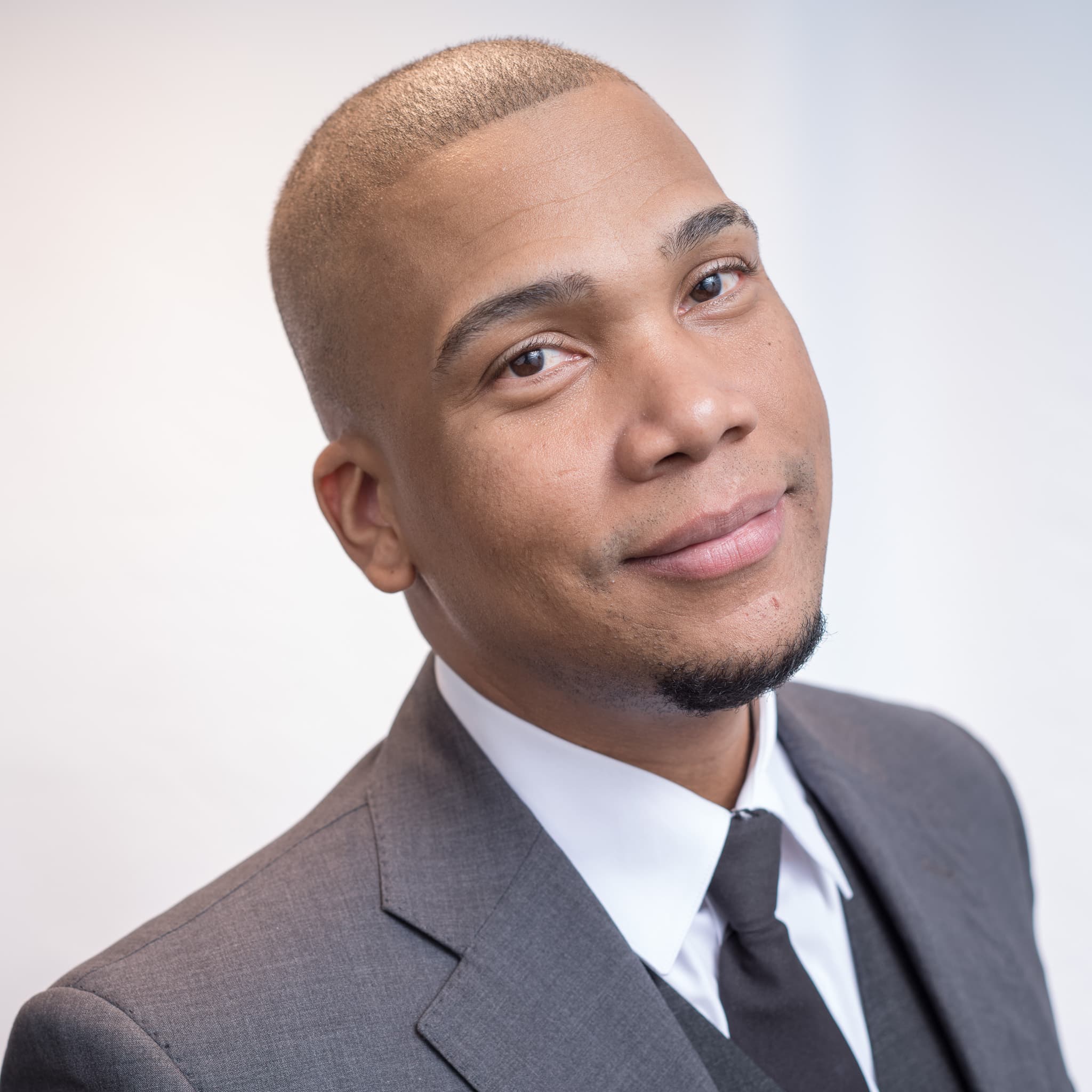
How to Pick the Best Headshot From Your Proofs (NYC, 2026)
# How to Pick the Best Headshot From Your Proofs (NYC, 2026)
Most people assume the hard part of a headshot is the shoot. It usually is not. The shoot is 45 minutes of someone else running the room. The genuinely hard part comes two days later, when a gallery of thirty or forty proofs lands in your inbox and every single one looks fine, and now you have to pick the one that goes on LinkedIn, the company website, the conference badge, and the email signature you will not touch again for three years.
This is where good headshots go to die. People overthink it, pick the frame where they look youngest instead of the frame where they look like themselves, or forward the gallery to a group chat and let a democracy of half-paying-attention friends decide. There is a better way, and it is the same process a photographer uses when narrowing a set down to the retouch list.
This guide is written from the other side of the camera. Emmanuel Fuentes shoots professionals out of the Fuentes Studio space in Riverdale, The Bronx, and delivers proof galleries inside 48 hours, so the "now what do I pick" moment tends to arrive fast. Here is how to handle it without second-guessing yourself into a bad choice.
Book Your Session if you still need the shoot itself. If you already have a gallery open in another tab, read on.
First, know what a proof gallery actually is
A proof gallery is not a collection of finished photographs. It is a shortlist. Your photographer has already thrown out the blinks, the mid-sentence mouth shapes, the frames where the light clipped or the focus drifted. What you are looking at is the set that survived a first cull: every image is technically usable. That is why they all "look fine." They are supposed to.
So stop grading on technical quality. You will not find a bad exposure in a professional gallery, which means comparing sharpness or lighting between two clean frames is a dead end. The real differences are smaller and more human: the tilt of the head, whether the smile reached the eyes, how open the expression reads, whether the posture says confident or bracing. That is the axis you are choosing on. Everything technical is already handled.
Why you are a bad judge of your own face
There is a documented reason picking your own headshot feels impossible. You see your face in the mirror every day, reversed. The version other people know is the non-mirrored one, which is what a camera captures. So the "correct" frame often looks subtly wrong to you and completely right to everyone else. This is the single most common reason people reject their best shot.
The practical fix: do not trust your first flinch. The frame that makes you go "ugh, not that one" in the first half-second is frequently the one your colleagues will pick unprompted. Sit with the gallery twice, a few hours apart, before you delete anything from your mental shortlist.
The five-pass method for narrowing a gallery
Here is the process, in order. Do not skip to the end. The whole point is to reduce a hard decision into five easy ones.
- The squint pass. Scroll the full gallery once, fast, squinting slightly so detail blurs out. You are only reading overall impression, which frames feel warm, open, and awake. Star anything that gives you a good gut read. Do not analyze. This catches the "energy" of a frame before your inner critic wakes up.
- The eyes pass. Go back to your starred frames and look only at the eyes. Are they engaged, or slightly checked-out? A real smile creases the outer corners; a posed one lives only in the mouth. Cut any frame where the eyes are doing less work than the mouth.
- The context pass. Now picture each survivor as a one-inch circle next to your name on LinkedIn. Most of the frame disappears at that size. It is basically your face and expression. Ask which ones still read clearly when shrunk. This eliminates frames that only work large.
- The stranger pass. Send your top three to one or two people who do not know you well: a newer coworker, not your mother or your partner. People close to you pick the frame that looks most like the you in their memory; strangers pick the frame that communicates best to other strangers, which is exactly your audience.
- The use-case pass. Finally, match the winner to the job. A LinkedIn photo can be warmer and more approachable. A law-firm bio or an executive board page can carry a touch more gravity. If your uses genuinely differ, it is fine to choose two frames (one warm, one formal) rather than forcing one image to do everything.
Five passes, and a gallery of forty is usually down to one clear choice and one backup. If you are still stuck after this, the tie is a good problem: it means you have two winners, not zero.
Expression beats everything else
If you take one idea from this guide, take this: expression is the whole game. Wardrobe, background, and lighting set the stage, but the frame people respond to is almost always the one with the best expression: the open, unguarded, this-person-seems-like-they-are-good-at-their-job look. It rarely lines up with the frame where your hair is most perfect or your jaw is most flattering.
This is why the "look youngest / thinnest / most airbrushed" instinct sabotages so many people. A headshot is not a beauty contest; it is a trust signal. The best professional image is the one where a stranger would guess, correctly, that you are competent and easy to work with. That is an expression, not a feature. When two frames compete, pick the one with the better expression every time, even if a different frame is technically more "flattering."
The approachability test
A quick gut check for any finalist: would you want to have a fifteen-minute coffee with the person in this photo? If the answer is an easy yes, it is a strong headshot. If the person looks slightly guarded, tired, or like they are enduring the photo, keep looking. Warmth reads as competence far more than a stern, "serious professional" face does: a lesson that trips up a lot of executives and attorneys who think gravity means no smile.
Common mistakes when choosing
A few patterns come up over and over in the "I can't decide" emails:
- Choosing by group vote. Ten friends will give you ten answers and leave you more paralyzed than when you started. Use one or two strangers, not a crowd.
- Picking the most edited-looking frame. Over-smoothed skin and erased character age badly and read as insecure. The frame that looks like you on a good day beats the frame that looks like a filter.
- Matching the photo to who you were. People pick the frame that resembles their headshot from five years ago because it feels familiar. Pick for who you are now: your network will recognize the current you faster.
- Waiting for perfect. No frame will feel 100 percent right, because you are your own harshest critic. When a photo clears the stranger pass and the approachability test, it is done. Ship it.
When to ask your photographer
You are not choosing in a vacuum. A good photographer has already seen which frames worked on the tethered screen during the shoot and can tell you which two or three they would have picked. If you are torn, ask. "Which three would you retouch?" is a completely normal question, and the answer usually confirms what your squint pass already flagged.
At Fuentes Studio, proof galleries come with retouching included on your final selects, delivered inside 48 hours, and the 5.0 Google rating is built largely on this stage going smoothly: helping people land on an image they are genuinely happy to put in front of clients, hiring managers, and boards. If you want a second set of trained eyes on your shortlist, that is part of the service, not an imposition.
Choosing well matters most when the photo has a specific job to do. If you are updating a profile for a job search, our LinkedIn headshots sessions are built to produce a frame that reads instantly at thumbnail size. If it is going on a company leadership page, executive portraits are lit and directed for that slightly more formal register, and knowing the destination before you choose makes the final pick almost obvious.
Frequently asked questions
How many proofs should I expect from a headshot session? It varies by session length and package, but a standard professional shoot typically yields 25 to 50 clean proofs after the first cull. That is the shortlist you choose from, the blinks and misfires are already removed.
Should I pick more than one headshot? If your images genuinely serve different purposes (a warm LinkedIn photo and a formal bio shot, for example), choosing two frames is smart. If everything points to the same use, one strong image beats spreading yourself thin.
Why do I hate the photo everyone else loves? Because you know your face in the mirror (reversed) and the camera captures the non-mirrored version other people recognize. Your "that's wrong" reaction is often just unfamiliarity. Trust the stranger pass over your first flinch.
Can my photographer help me choose? Yes, and you should ask. Photographers watch expressions land in real time during the shoot and can quickly point to the two or three strongest frames. At Fuentes Studio it is a normal part of delivery.
How long do I have to decide? There is no rush once the gallery is delivered, but momentum helps: the longer a gallery sits, the more you overthink it. Most people who follow the five-pass method land on their pick within a day.
The bottom line
Picking a headshot is not about finding the most flattering frame. It is about finding the one where a stranger would trust you and want to work with you, and that is almost always an expression, not a feature. Squint first, read the eyes, shrink it down, ask a stranger, match it to the job. Do that, and the choice makes itself.
And if you have not shot yet, half of this gets easier when the person behind the camera is directing you toward those expressions in the first place. That is the part worth booking well.
Book Your Session in Riverdale, The Bronx: proofs delivered in 48 hours, retouching on your selects included.
Still deciding who should be behind the camera? headshot photographer in Riverdale, The Bronx: sessions in Riverdale, NYC, booked as little as two days ahead.
Explore NYC Headshot Services
Sessions from $95, booked as little as two days ahead. Retouched delivery in 48 hours.
Related Reading
Ready to Create Something Beautiful?
Whether it's a portrait session, a brand shoot, or a commercial project. Let's bring your vision to life.