
What to Wear for Professional Headshots: Complete Style Guide
Your professional headshot is often the first impression you make with clients, colleagues, and hiring managers. While a skilled photographer and quality lighting do the heavy lifting, what you wear dramatically impacts how you're perceived in those final images. Across many headshot sessions with executives, lawyers, startup founders, and corporate professionals in NYC, I have seen how wardrobe choices can elevate or undermine an otherwise perfect portrait.
This guide will walk you through every decision you need to make about what to wear for your professional headshot, from color psychology to industry-specific expectations, plus common mistakes to avoid.
Why Your Headshot Wardrobe Matters More Than You Think
A headshot isn't a casual portrait. It's a strategic tool that shapes how professionals perceive you before you ever speak. Research in first impressions shows that clothing and appearance account for a significant portion of how people evaluate competence, trustworthiness, and status.
Your headshot appears on LinkedIn, corporate websites, speaker bios, media features, and legal directories. It's the image attached to emails and business cards. It's what someone sees when they Google you. The wardrobe you choose isn't just about looking good. It's about communicating the right message about who you are professionally.
The best headshot wardrobe makes you feel confident while projecting the specific image your industry and role demand.
Universal Headshot Rules That Apply to Everyone
Certain principles work across every industry, role, and gender. These are the non-negotiable foundations.
Solid Colors Over Patterns
Busy patterns (plaids, small checks, fine stripes, geometric prints) compete for attention and create visual noise in headshots. The focus should be on your face and expression, not your clothing. Solid colors are clean, professional, and timeless.
The only exception is subtle texture. A finely woven or slightly textured fabric reads as sophisticated, while flat, featureless fabrics can look cheap or two-dimensional on camera.
Color Matters Profoundly
The colors you wear affect how your skin tones render and how approachable or authoritative you appear. Warm skin tones pair beautifully with warm colors: terracotta, warm neutrals, gold accents, deep jewel tones like emerald. Cool skin tones sing with cool colors: true black, deep navy, cool grays, icy blues. Neutral skin tones have flexibility with both warm and cool palettes.
Beyond skin tone matching, color communicates mood. Navy and charcoal suggest authority and stability. White and cream feel clean and accessible. Warm tones like burgundy or rust create approachability. Avoid neon, overly bright colors, and colors that wash you out.
Fit Is Everything
A perfectly fitted $150 blazer will always outperform an expensive but poorly fitted designer piece. Fit means:
The shoulders hit right at the edge of your shoulder bone, not drooping or bunching. The sleeves end at your wrist bone or just covering it. You can button everything comfortably without pulling or bunching. The length hits appropriately: blazers should end around the hip, dresses and tops should hit flattering areas without riding up or sagging.
Clothes that are too tight look uncomfortable and unprofessional. Clothes that are too loose look sloppy. In a headshot, every fit detail shows because the camera is intimately close.
Avoid Logos and Branding
Unless you're specifically shooting for your company's website and incorporating branded apparel, logos and visible brand names distract from your face. They also date the images because logos and brand visibility trends change.
Necklines Matter
For everyone, the neckline should draw attention upward to your face. Crew necks and turtlenecks work beautifully. V-necks elongate the neck and are incredibly flattering. Boat necks and high crew necks can work depending on neck length and face shape.
Avoid necklines that fall too far down, as this reads as unprofessional in a headshot. The goal is for your face to be the focal point, with clothing as a supporting frame.
Industry-Specific Wardrobe Guidance
Your industry has specific unwritten dress codes and expectations that your headshot should reflect.
Law and Finance: Conservative and Powerful
If you're a lawyer, financial advisor, or work in a conservative industry, your headshot wardrobe should communicate trustworthiness, stability, and competence.
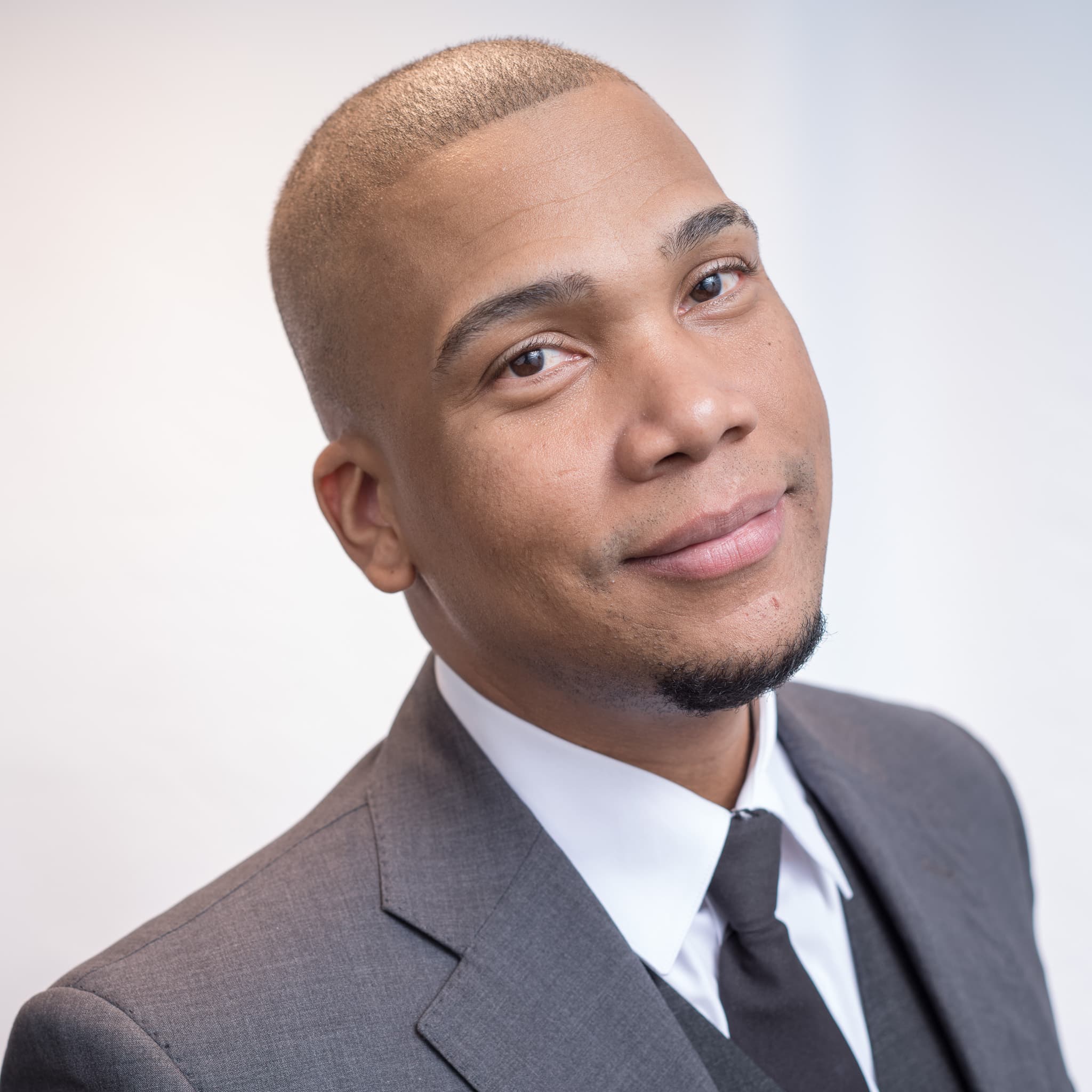
The Standard: Dark, structured suiting in navy or charcoal. A crisp white dress shirt or blouse. A subtle silk tie (for those who wear them) in a quality pattern: narrow stripes, small geometric, or solid silk in a professional color.
For women: Tailored blazers with simple camisoles or blouses underneath. The blazer creates structure and authority. Choose white, cream, or light blue for the inner layer.
For men: A well-fitted blazer and dress shirt is the safest option. Tie optional unless you're a lawyer in a traditional firm, in which case a quality tie is standard.
For everyone: This is the place where quality matters most. Your clothing signals that you're serious about your profession. Premium fabrics, impeccable fit, and conservative styling are essential.
Colors: Stick to navy, charcoal, black, white, cream, pale blue, and burgundy if you're comfortable with slightly warmer tones.
Tech and Startups: Smart Casual with Personality
Tech and startup environments are more relaxed but still professional. Your headshot should reflect this balance: put-together but not stiff.
The Standard: Quality casual pieces that look intentional. Think well-fitted dark jeans (only if you're shooting for a very casual startup), tailored chinos, or elevated trousers paired with a nice button-down, sweater, or casual blazer.
You can introduce color and personality here. A deep jewel-tone sweater, a quality knit button-up, or a blazer in a non-traditional color (olive, charcoal, camel) all work beautifully.
For men: A crew neck or V-neck sweater, sometimes with a shirt layered underneath. Quality jeans or chinos are acceptable in this industry, paired with nice shoes.
For women: Similar flexibility (sweaters, blazers, structured dresses, or elevated basics). The tech space is increasingly accepting of color and texture.
Colors: Navy, charcoal, white, cream, olive, camel, jewel tones like emerald or sapphire, and warm neutrals all work.
Creative Professions: Express Yourself Within Boundaries
If you're a designer, artist, creative director, or work in media, your headshot wardrobe can reflect more personality while remaining professional.
The Standard: Quality basics in colors that represent your personal aesthetic. A well-fitted blazer in an interesting color, a beautiful textured sweater, a structured dress, or a combination of pieces that feels authentically you.
The key is intentionality. Your outfit should feel chosen, not thrown together. It should communicate creativity without suggesting unprofessionalism.
For everyone: This is where a slightly bolder color choice becomes appropriate. Burgundy, forest green, rust, or even a softer gray are all options. Textures become more interesting too: wool, linen blends, structured cottons.
Colors: Earth tones, jewel tones, muted jewel tones, warm neutrals, cool grays, and even soft pastels work depending on your skin tone.
Corporate Executive: Polished and Authoritative
If you're a C-suite executive, director, or senior leader, your headshot wardrobe should communicate confidence, authority, and polish.
The Standard: Premium suiting in navy, charcoal, or black. A white, cream, or pale blue dress shirt or blouse. For those who wear ties, a quality silk tie in a professional pattern or solid. The overall impression should be: "I have everything under control."
For women: A well-fitted blazer is non-negotiable. Quality fabrics, precise tailoring, and understated elegance. A subtle silk camisole underneath, or a silk blouse. The goal is power with refinement, not severe.
For men: Quality suit in classic tailoring. Crisp dress shirt. Quality tie. Watch optional but if you wear one, make sure it's professional.
For everyone: This is the tier where investment in tailoring is essential. An off-the-rack suit is acceptable only if it's tailored to fit you perfectly. The difference between a $300 suit that's properly tailored and a $1,500 suit that doesn't fit is negligible in a headshot: the fit is everything.
Colors: Navy, charcoal, black, white, cream, pale blue, or burgundy.
Colors That Photograph Best (and Which to Avoid)
Here are the specific colors that consistently produce beautiful results in professional headshots:
Colors That Always Work:
Navy (conveys trust and stability, photographs beautifully with most skin tones, flatters everyone).
Charcoal and Deep Gray: sophisticated, doesn't feel cold or harsh, pairs well with any skin tone.
White and Cream: clean, accessible, makes skin tones pop. Works better as an accent than a full outfit, as it can sometimes wash out fair complexions.
Camel and Warm Neutral Tones: warm, approachable, flatters most skin tones.
Jewel Tones (Emerald, Sapphire, Burgundy): rich, sophisticated, incredibly flattering on camera. Pairs beautifully with most complexions.
Black, authoritative and elegant, though some skin tones need a layering piece to prevent the black from creating too much contrast.
Soft Pastels (Pale Blue, Blush, Sage): work beautifully if your skin tone is cool or neutral, can wash out warmer complexions.
Colors to Avoid:
Bright Neon: unprofessional and unflattering.
All-White Outfits: can create overexposure and harsh lighting issues.
Clashing Saturations, pairing a muted color with a bright color creates visual conflict.
Colors That Wash You Out. This is individual, but the general rule is that colors too similar in value to your skin tone (light beige on pale skin, dark brown on dark skin) don't create enough contrast.
Accessories: Less Is More
In a headshot, accessories should enhance, not distract.
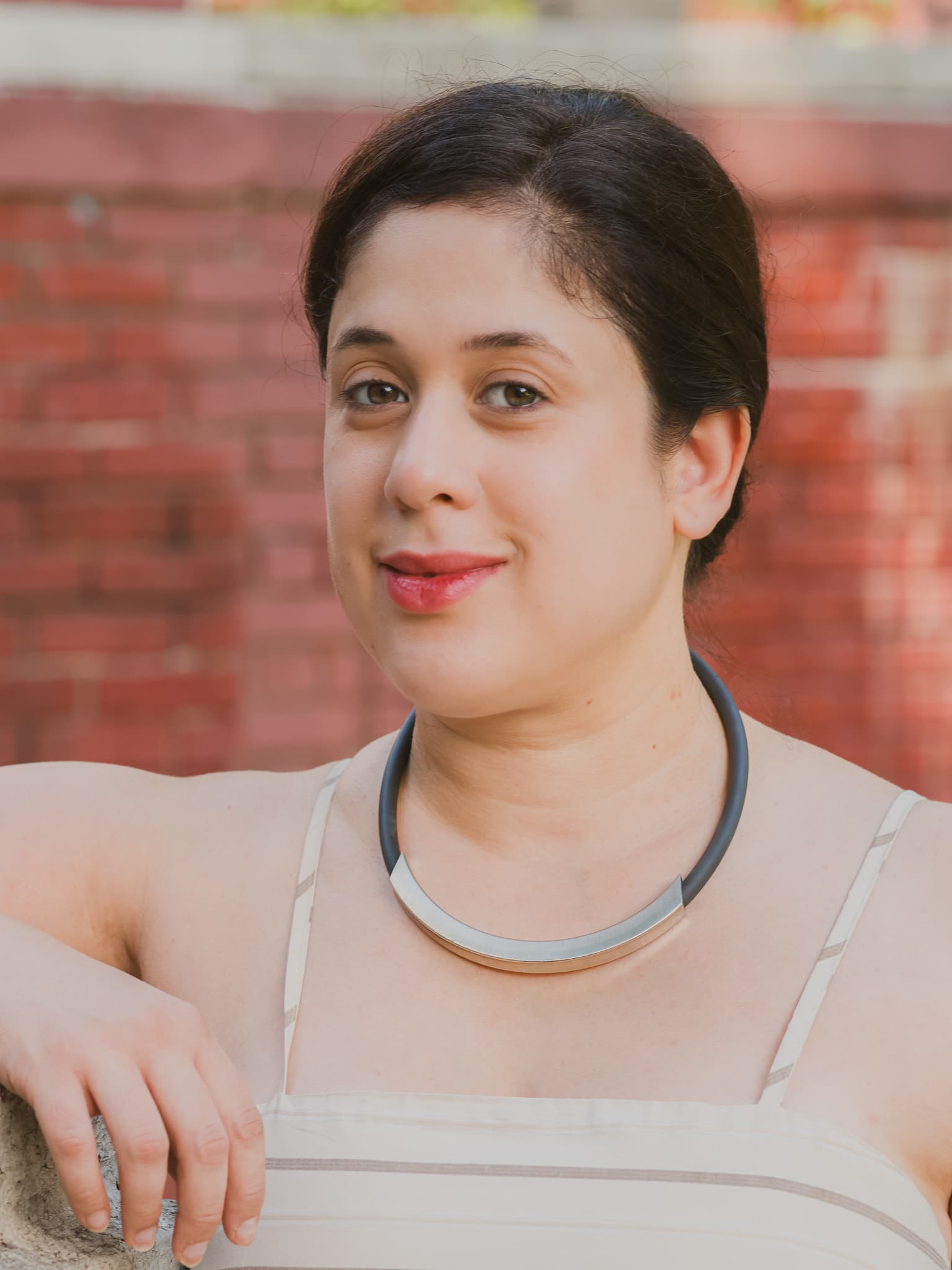
Jewelry: Keep it minimal and professional. A subtle watch, a pair of small earrings, a simple necklace, or a wedding band are all perfect. Avoid chunky jewelry, anything that jingles or moves, dangling bracelets that catch the camera's attention, or multiple competing pieces. One statement piece is acceptable; multiple competing pieces are not.
Glasses: If you wear glasses, they're absolutely fine. Have your optometrist adjust them so they sit well and don't create glare or reflections in the lenses. Anti-reflective coating is standard now and prevents most glare issues. Choose frames in a color that complements your complexion and outfit.
Scarves, Ties, and Layering: These all work beautifully to add depth and visual interest. A silk pocket square, a delicate scarf, or a quality tie all elevate a basic outfit without adding bulk.
Watches, Pens, and Handbags: If your hands will be visible, a simple, quality watch is appropriate. Anything you carry (a pen, a portfolio) should look intentional and professional, not like clutter.
Hair Accessories: If you wear hair accessories, keep them subtle and professional. Avoid anything dangling, sparkly, or distracting.
Hair and Grooming Considerations
Your hair should look like the best version of your everyday style, not like you got special event styling.
Haircuts: Schedule your haircut or color 5-7 days before the session, not the day before or the day of. Your hair needs time to settle and look natural. If you're getting a major change, do it at least a week before so you feel comfortable.
Styling: Wear your hair in a way that feels authentic to you. If you wear it down, make sure it's not covering your face or neck. If you wear it up, ensure the style is secure and flattering. Side parts are generally more flattering than center parts, but this varies by face shape.
Color: Your natural hair color works beautifully. If you color your hair, make sure the color is maintained and looks intentional, not brassy or grown-out.
Texture: Clean, healthy-looking hair photographs well. You don't need blown-out hair or special styling, but your hair should look like you took care of it. A light styling product is fine; overly matte or crunchy products don't photograph well.
Makeup and Skin
For Everyone: Great skin is your best accessory. A few days before the session, focus on good skincare: hydration, gentle exfoliation, and sun protection. Avoid heavy exfoliation or new products right before the shoot.
Makeup for All Skin Tones: The camera softens makeup, so you can wear slightly more than you would in everyday life. Foundation should match your skin tone exactly and create a smooth base without looking cakey. Light contouring works beautifully, but heavy contouring can look harsh in close-up photography.
For eyes, a slightly darker eyeshadow shade in your crease adds dimension. Eyeliner (liquid or pencil) defines the eye. Mascara is essential: it makes eyes pop and look more awake.
Lips should be in a color that suits your complexion. A slightly deeper shade than your natural lip color photographs beautifully and won't disappear on camera.
Avoid matte lipsticks in favor of satin or luminous finishes, which photograph more naturally. Heavy or sparkly eyeshadow can look dated.
Grooming for Men: A fresh shave or neatly styled facial hair. If you have facial hair, make sure it's trimmed and intentional. Eyebrows should be natural but groomed. A light foundation or BB cream can even out skin tone and minimize shine, but heavy makeup isn't necessary.
What to Bring to Your Headshot Session
You'll get better results with variety. Bring 2-3 outfit options so we can capture different looks.
Outfit 1: Your go-to professional look: the blazer and white shirt, the sweater and tailored pants, whatever is your standard professional uniform.
Outfit 2: A variation in color or style. If Outfit 1 is navy, Outfit 2 might be a jewel tone. If Outfit 1 is a blazer, Outfit 2 might be a well-fitted sweater.
Outfit 3 (Optional but Recommended): Something that shows personality while remaining professional: a different color, a different silhouette, or a different style that still feels authentically you.
All three outfits should fit perfectly and make you feel confident. A few shots in each look gives you options and variety in your final gallery.
Also bring: - Shoes that don't distract (even though only your shoulders up will be in frame, knowing you're standing in professional shoes affects your posture and confidence) - A phone charger - Any jewelry or accessories you'll wear - A water bottle - Optional: pressed, wrinkle-free garments in a garment bag (wrinkles show up in headshots)
Common Headshot Wardrobe Mistakes to Avoid
1. Wearing All Black
All black is powerful and can work, especially in fashion, creative, or executive contexts. However, all-black outfits can sometimes create a "floating head" effect in headshots. If you love black, pair it with a white or cream inner layer to create contrast and frame your face.
2. Busy Patterns or Large Graphics
Anything that draws the eye away from your face is working against you. This includes logos, large brand names, horizontal stripes, busy patterns, or graphic t-shirts.
3. Wearing Color That Washes You Out
Not every color works for every complexion. A color that looks great on your friend might make you look tired. Test colors against your skin before the session. When in doubt, stick to colors you wear often and receive compliments on.
4. Choosing Comfort Over Fit
Oversized "comfortable" clothing reads as sloppy in a professional headshot. You don't need uncomfortable clothing, but everything should be fitted and intentional. Tailoring is one of the highest ROI investments you can make before a headshot session.
5. Clashing Saturation Levels
A very muted tone paired with a very bright tone creates visual conflict. If your top is a soft pastel, your bottom should be neutral or complementary, not a saturated jewel tone.
6. Accessorizing Too Much
Jewelry, scarves, belts, and other accessories should enhance, not compete. Aim for one focal point: if it's a statement necklace, keep earrings simple. If it's a patterned tie, keep other pieces neutral.
7. Wearing Something That Doesn't Feel Like You
Confidence shows in photographs. If you're wearing something that makes you feel uncomfortable, self-conscious, or unlike yourself, that will translate to the images. Your wardrobe should be professional, yes, but it should also feel authentic to who you are.
8. Neglecting Grooming
An expensive outfit undermined by unkempt hair, visible five o'clock shadow, or chipped nail polish reads as careless. Grooming and clothing should work together.
Frequently Asked Questions About Headshot Wardrobe
Q: Can I wear patterns if they're subtle?
A: Yes, subtle patterns work. A fine pinstripe, a tiny houndstooth, or a small geometric pattern is fine. Large patterns, bold checks, and busy prints distract.
Q: What if my industry is very casual?
A: Even casual industries benefit from slightly elevated wardrobe choices in headshots. Business casual is a good baseline: well-fitted chinos, a quality sweater, or a casual blazer. This is more polished than everyday wear but not formal.
Q: Should I wear my actual work clothes or something more formal?
A: Wear what represents you professionally. If you work in a creative startup and wear jeans every day, jeans in your headshot are authentic. If you're a lawyer and wear suits daily, a suit is appropriate. The goal is for your headshot to match the real you, not a fantasy version of yourself.
Q: Is it okay to wear bright colors?
A: Jewel tones work beautifully. True neon or overly bright colors read as unprofessional. If you love color, opt for saturated jewel tones (deep emerald, sapphire, burgundy) instead of bright, neon versions.
Q: What about trendy styles?
A: Avoid trendy styles in favor of classic, timeless pieces. Your headshot might be used for 3-5 years. A trend that looks modern now might look dated in six months.
Q: Can I wear jewelry?
A: Absolutely, but keep it minimal. A watch, a simple necklace, or small earrings all work. Avoid anything that moves, jingles, catches light, or competes for attention.
Q: Should I wear the same thing I wear to important meetings?
A: Yes. Your headshot should represent your professional reality. If you show up to client meetings or presentations in a specific way, that's how you should look in your headshot.
Ready for Your Session?
Your wardrobe is just one element of a great headshot, but it's an element entirely within your control. When you choose colors that flatter your complexion, clothes that fit perfectly, and styles that feel authentic to your professional identity, you're setting yourself up for images you'll be proud to use for years.
The professionals who get the best results from headshot sessions are the ones who understand that this is an investment in their professional image. That investment starts with thoughtful wardrobe choices.
Ready to book your session? Schedule your professional headshot with Fuentes Studio in Manhattan. If you want to discuss wardrobe strategy before your session, contact us. We're happy to walk you through specific recommendations based on your industry and goals.
For more guidance on headshot preparation, check out our complete guide: Best Headshot Photographer in NYC: What to Look For.
If you're in a specific field, we have detailed industry guides: - Professional Headshots for Lawyers - Executive Headshots for Finance Professionals - Headshots for Tech Leaders and Startups - Headshots for Management Consultants
Your professional image matters. Let's make sure it's representing the best version of you.
Explore NYC Headshot Services
Sessions from $95, booked as little as two days ahead. Retouched delivery in 48 hours.
Related Reading
Ready to Create Something Beautiful?
Whether it's a portrait session, a brand shoot, or a commercial project. Let's bring your vision to life.