Glasses, Beards, and Makeup: The NYC Headshot Grooming Guide (2026)
# Glasses, Beards, and Makeup: The NYC Headshot Grooming Guide (2026)
Most people prepare for a headshot by overthinking the shirt and ignoring everything above the collar. That's backwards. A blazer reads the same from six feet away whether it cost $90 or $900, but a glare across your glasses, a beard line that wandered, or makeup that photographs three shades grayer than your skin will be the first thing a viewer's eye lands on, because all of it sits inches from your eyes, which is exactly where people look.
Grooming is the part of headshot prep that quietly decides whether the final frame looks polished or slightly off in a way nobody can name. The good news: every one of these issues is fixable, and most of the fixes take place the morning of the shoot, not in a salon chair the week before. This is the guide I give clients in Riverdale, The Bronx before a session, written out in full.
Want it handled by someone who'll catch these on set? Book Your Session: book as little as two days ahead, 48-hour delivery.
First Principle: A Headshot Should Look Like You on a Good Day
Before we get into lenses and beard trimmers, understand the goal. A professional headshot is not a glamour shot and it's not a passport photo. It should look like you on a Tuesday when you slept well, caught good light on your walk in, and felt like yourself. When someone meets you after seeing the photo, they should think "yes, that's the person," not "the picture must be old" or "that's heavily edited."
That standard is what makes grooming decisions easy. If a choice moves you toward recognizable and rested, do it. If it moves you toward a different person, skip it. New haircut you've never worn? Risky. The beard shape you've had for two years, cleaned up? Perfect. This is the lens every recommendation below is filtered through, and it's the same standard any working NYC corporate headshot photographer applies on set.
Glasses: The Single Most Common Headshot Problem
If you wear glasses every day, wear them in your headshot. A photo of you without your glasses isn't recognizable when 90% of your colleagues only ever see you in them. The problem isn't whether to wear glasses. It's glare and frame position, both of which are solvable.
Glare and reflections
Glare happens when a light source bounces off the lens and back into the camera. In a controlled studio, the photographer manages this by raising the light angle, tilting your chin a hair, or adjusting the temple arms so the lenses pitch down a few degrees: invisible to the viewer, but it sends the reflection to the floor instead of the camera. A good photographer fixes glasses glare on set in seconds. You don't need to do anything except let them adjust.
What you can do ahead of time:
- Bring the actual glasses you wear, not a backup pair with a different prescription or coating.
- If you have anti-reflective (AR) coated lenses, you're already ahead: they cut reflections dramatically. If you've been meaning to add AR coating, the weeks before a headshot are a good excuse.
- Consider asking your optician for an empty demo-lens version of your frames if your prescription is very strong. Heavy prescriptions can distort and shrink your eyes in the photo. This is optional and a personal call, but it's a trick studios and actors use.
- Clean the lenses before you leave the house. Smudges photograph as haze.
Frame position
Glasses that slide down the nose make you look tired and shrink the visible eye. Tighten the temple arms or have them adjusted at any optical shop the week before: a free, two-minute fix that pays off in every photo for the next two years, not just this one. On set, the photographer will nudge them level, but starting from frames that actually fit your face is half the battle.
Transitions and tinted lenses
Photochromic (Transitions) lenses darken in bright light and in some studio strobe setups. If yours tint indoors, mention it: a good studio shoots in a way that keeps them clear, or you bring a non-transition pair. Tinted or sunglasses-style lenses hide the eyes entirely and almost never work for a professional headshot.
Beards and Facial Hair: Shape Beats Length
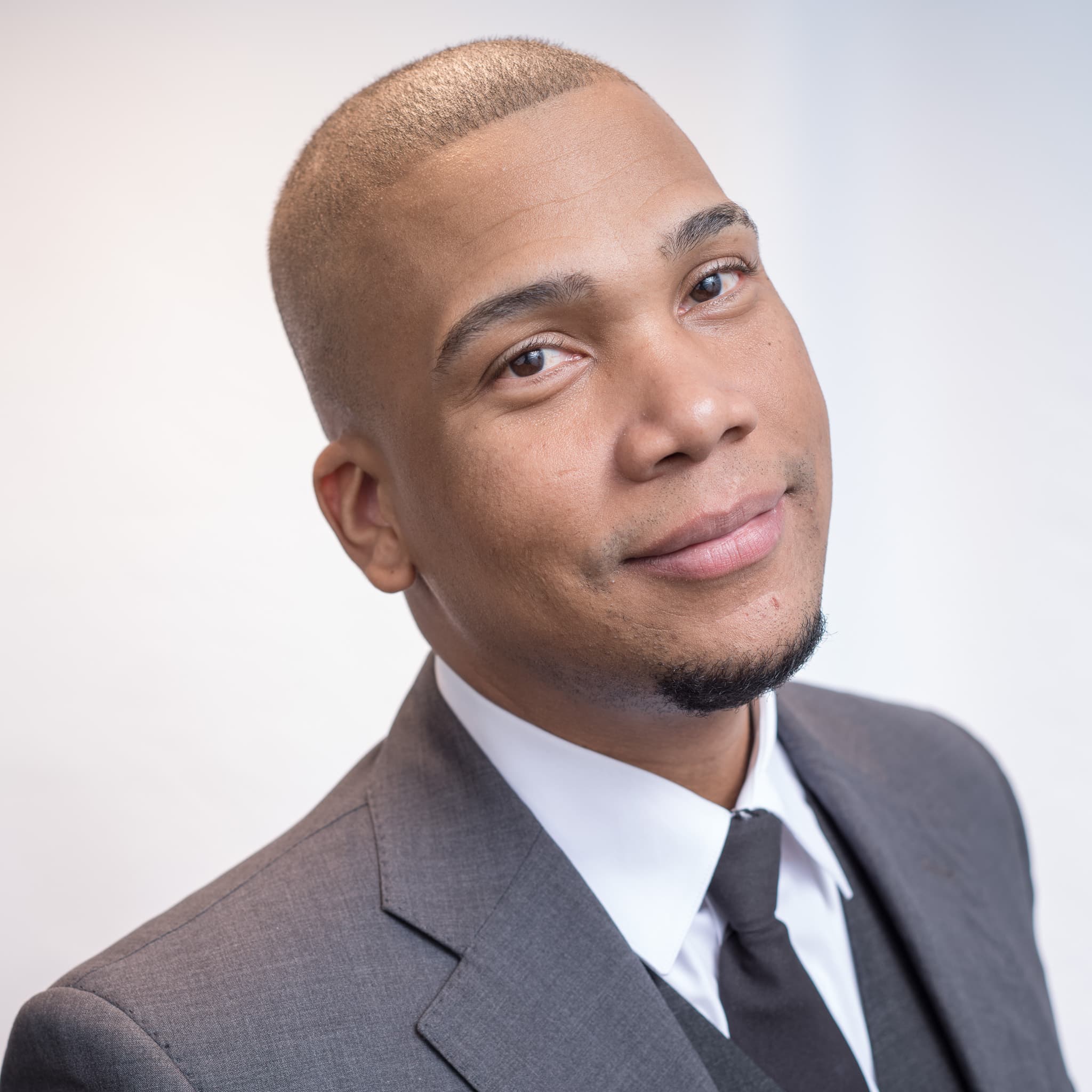
A beard is not a problem to be solved: plenty of the sharpest headshots feature one. What matters is whether the beard looks intentional. The camera reads edges and contrast far more than the human eye does, so a soft, undefined neckline that you've never noticed in the mirror can look unkempt in a tight frame.
The night-before / morning-of routine
- Trim two to three days before, not the morning of. A same-day trim can leave faint irritation or an over-sharp line. Two or three days gives the beard time to settle into its natural shape while still looking maintained.
- Define the neckline. The cleanest rule: the bottom edge of the beard should sit roughly two finger-widths above your Adam's apple, curving up toward the ears. Everything below that line gets shaved. A wandering neckline is the number-one thing that makes a good beard look sloppy on camera.
- Clean up the cheek line so it follows your natural growth, not a harsh straight edge unless that's genuinely your look.
- Brush it. A beard brush or comb the morning of lays the hair in one direction and removes the cowlicks the lens loves to catch.
- Moisturize lightly. A small amount of beard oil tames flyaways and adds a healthy, non-greasy sheen. Emphasis on small: heavy oil photographs as shine.
Stubble and clean-shaven
Stubble can read as deliberate and modern, or as "forgot to shave," and the difference is evenness. If you want a stubble look, use a trimmer with a guard so the length is uniform, rather than skipping a shave and hoping. If you're going clean-shaven, shave the morning of, but not in the ten minutes before you walk out the door, because fresh-shave redness needs 30 to 60 minutes to calm down. Some industries still lean clean-shaven by convention; finance is the most common, which is why our headshots for finance clients tend to arrive freshly shaved. That's a culture call, not a rule, and a well-kept beard is fully at home in most NYC boardrooms in 2026.
Makeup for Headshots: For Everyone, Not Just Women
Here's the part people resist and shouldn't: a small amount of makeup helps almost everyone on camera, regardless of gender. Studio light and high-resolution sensors exaggerate shine, redness, and under-eye shadows that you'd never notice in a bathroom mirror. The goal is never "made up." The goal is even: skin that looks like skin, minus the distractions the camera invents.
The universal baseline
- Control shine. The forehead, nose, and chin reflect light and photograph as bright hot spots. A translucent setting powder or a quick pass with a blotting paper before each setup is the single highest-impact thing anyone can do. This applies to every client, every session.
- Even out redness. A touch of color-correcting concealer on persistent redness around the nose or any blemish keeps the viewer's eye on yours.
- Manage under-eye shadows with a light concealer, applied sparingly. Cake it on and it photographs as a pale mask; a thin layer just lifts the shadow.
If you wear fuller makeup
- Matte over dewy. The trendy glow that looks great in person reads as shine under studio strobes. Lean matte, especially through the T-zone.
- Blend hard, especially the jaw and hairline. The camera finds every line where foundation meets bare skin.
- Skip heavy shimmer and frost. They flare under light. Satin and matte finishes photograph cleaner.
- Define, don't darken. Defined brows and lashes frame the eyes; a heavy hand ages the photo fast.
- Bring your makeup with you for touch-ups. A 90-minute session under warm light will need a powder pass.
A note on retouching
Skilled retouching handles the temporary stuff: a blemish that showed up that morning, a stray hair, a bit of shine the powder missed. What it shouldn't do is rebuild your face. Over-retouched skin looks plastic and, worse, doesn't match you in a meeting. At the studio we retouch to clean and even, never to replace, which is the same restraint a careful executive portrait photographer NYC brings to a CEO's headshot. If you have a preference, say so before the shoot. It's your face.
Hair, Brows, and the Small Stuff That Reads Big
- Haircut timing: book it five to seven days out, not the day before. A too-fresh cut looks stiff and the lines are too sharp; a week lets it relax into how you actually wear it.
- Flyaways: a tiny amount of product or a quick brush controls the wisps that catch studio light and look messy.
- Brows: a quick tidy frames the eyes. You don't need them shaped into anything, just clear the strays.
- Nails: they show more than you'd expect in three-quarter and seated poses. Clean and trimmed is enough.
- Teeth: if you've been considering a whitening strip, the night before is fine. Nothing dramatic, just rested and clean.
- Earrings and jewelry: small and simple photographs as confident; large and shiny pulls focus off your face. One understated piece beats three statement ones.
None of this is about vanity. It's about removing the small distractions so the viewer's attention goes where it should: your expression and your eyes. That's true for a LinkedIn headshot, an executive portrait, or a full team shoot.
What to Skip the Week Of
A short do-not-do list, because the mistakes are as important as the moves:
- No brand-new haircut, color, or beard shape you've never worn. The shoot is not the time to experiment.
- No new skincare or "brightening" treatments in the 72 hours before. Peels, strong retinols, and facials can leave redness or peeling that's hard to retouch cleanly.
- No heavy salt, alcohol, or short-sleep the night before, all three show up as puffiness and under-eye shadow the camera loves.
- No self-tanner application the day of. If you use it, do it two days out and even it carefully; streaks photograph worse than they look.
- No brand-new glasses you're still adjusting to. Wear the pair your face already knows.
The pattern: the week of a headshot is for maintenance, not transformation. Look like the best-rested version of your current self, not a new person the camera is meeting for the first time.
How a Studio Handles This So You Don't Have To
The reason to shoot with a professional rather than a phone is partly the gear and lighting, but mostly the hundred small adjustments that happen in real time. Over 800 professionals through the Riverdale, The Bronx studio, the grooming fixes have become muscle memory: catching a glasses reflection before the frame, spotting a forehead hot spot and reaching for the powder, leveling a frame that slipped, noticing a flyaway that the client can't see from their side of the lens.
You don't need to arrive with any of it perfect. You need to arrive clean, rested, and looking like yourself: the studio handles the rest, and you'll see proofs that already account for it. Every session comes with direction on set, light built for your skin tone, retouching that stays honest, a 48-hour turnaround, and the 5.0 Google rating that comes from clients who actually use their photos. Sessions are $95 (Stroll & Shoot) or $149 (Outdoor Headshot), with team and leadership sets quoted on request.
If you had a great session, the most useful thing you can do afterward is leave a quick review: it helps the next person searching for a studio find one they can trust.
Book Your Session: clean, rested, and looking like yourself is all you need to bring.
Frequently Asked Questions
Should I wear my glasses in my headshot?
Yes, if you wear them every day. A photo without your glasses won't be recognizable to people who only know you in them. Glare and frame position are easily managed on set by the photographer: bring the actual pair you wear, ideally with anti-reflective coating, and let them make small adjustments.
Do men need makeup for a professional headshot?
Not "makeup" in the cosmetic sense, but yes to a translucent setting powder to control shine. Studio light makes the forehead, nose, and chin photograph as bright spots, and a quick powder pass fixes it for everyone regardless of gender. It's about evening out skin the camera exaggerates, not changing how you look.
How many days before my headshot should I get a haircut or trim my beard?
Haircut: five to seven days out, so it relaxes into how you actually wear it. Beard: two to three days out, so the shape settles and any trim irritation calms down. Clean-shaven: the morning of, but at least 30 to 60 minutes before leaving so redness fades.
Will the photographer retouch blemishes and shine?
Yes. Professional retouching handles temporary things (a blemish, a stray hair, a bit of missed shine) while keeping your skin looking like skin. Good retouching evens and cleans; it doesn't rebuild your face, so the photo still matches you in person. You can state your preference before the shoot.
What's the one grooming mistake that ruins headshots most often?
Glasses glare and a sloppy beard neckline are tied for first. Both sit inches from the eyes, which is exactly where viewers look. Both are also completely fixable: glare on set by the photographer, the neckline with a two-minute trim a couple of days before.
---
Grooming for a headshot isn't about doing more. It's about removing the few small distractions that pull a viewer's eye away from your face. Handle the glasses, define the beard, even the skin, and skip the week-of experiments, then let the studio catch everything else in real time.
Ready for a professional headshot that looks sharp and current? executive portrait photographer NYC: sessions in Riverdale, NYC, booked as little as two days ahead, with 48-hour delivery.
Explore NYC Headshot Services
Sessions from $95, booked as little as two days ahead. Retouched delivery in 48 hours.
Related Reading
Ready to Create Something Beautiful?
Whether it's a portrait session, a brand shoot, or a commercial project. Let's bring your vision to life.