
How to Prepare Your Team for a Headshot Day in NYC (2026 Manager's Guide)
Individual headshots are a photography problem. Team headshots are a scheduling problem wearing a photography problem's clothes. The lighting, the posing, the retouching: those are solved the moment you hire someone who does this every week. What is not solved, and what quietly ruins most company shoots, is the day itself: the person who shows up in a wrinkled shirt, the two departments that never got the calendar invite, the executive who blows through their slot and pushes everyone else thirty minutes late.
If you are the operations manager, office lead, or HR partner who drew the short straw and now owns "get everyone's headshot done," this guide is for you. It is the checklist I hand to every company that books a team session, built from photographing hundreds of professionals across offices in Manhattan and The Bronx. Get the logistics right and the photos take care of themselves.
Ready to book? Book Your Session: team headshot days at our Riverdale studio, or on-location at your NYC office.
First, decide: on-location or in-studio?
Every other decision flows from this one, so make it first.
On-location means the photographer brings the studio to your office: backdrop, lights, and all. This is the right call when you have more than roughly fifteen people, when pulling staff out of the building would cost more in lost hours than the shoot itself, or when you want the shoot to double as a small team event. The tradeoff is that your office needs one usable room: about ten by twelve feet of clear floor, a wall or corner the crew can black out or light cleanly, and a power outlet. Conference rooms with the table pushed aside work perfectly.
In-studio means your team travels to a fixed setup, in our case the team headshots space at our Riverdale studio in The Bronx. This is better for smaller groups, for teams that are already remote and converging for the day, or when you want a controlled environment with zero variables. It also removes the burden of prepping a room on your end.
There is no universally correct answer, but there is a correct answer for your headcount and your office. If you are not sure, count your people: under fifteen and spread across the city, lean studio; fifteen-plus in one building, lean on-location.
Build the schedule backward from per-person time
The single most common mistake in team shoots is under-booking time. Someone divides the day by the headcount, sees a comfortable-looking number, and books accordingly, then reality hits at person number four and the whole thing runs behind for the rest of the afternoon.
Here is the honest math. A working professional headshot photographer NYC teams rely on can move quickly, but "quickly" still means real minutes per person:
- Buffer and settle (1–2 min): The person sits, you adjust the stool, they exhale. Rushing this is why people look tense.
- Framing and light check (1 min): Small tweaks for height, glasses glare, and hair.
- Actual shooting (4–6 min): Enough frames and micro-direction to get two or three genuinely good expressions, not one panicked smile.
- Reset for the next person (1–2 min): Wardrobe check, lint roll, quick breather.
That lands most sessions at 8 to 10 minutes per person for a clean corporate headshot. For a team of twenty, that is roughly three to four hours including a break, not the ninety minutes a naive division suggests. Book the realistic number. A shoot that runs on time is one where every single person, including the last one at 4:45pm, gets the same unhurried attention as the first.
Stagger by department, not alphabetically
Do not send everyone a link to a free-for-all sign-up sheet. Assign fifteen-minute windows by team, so the sales floor comes down together at 10:00, engineering at 10:45, and so on. This keeps people near their desks until it is nearly their turn, prevents a hallway of twenty people waiting at once, and gives you natural catch-up points if one group runs long.
The wardrobe email you send one week out
Ninety percent of the "why do we all look different?" problem is solved by a single email sent seven days before the shoot. People need lead time to find, wash, or buy the right shirt. Send it too late and half your team improvises the morning of.
Keep the guidance simple and visual. The goal for a team set is not that everyone wears identical clothing. It is that nobody's outfit fights the others or the background.
- Solid colors over patterns. Fine patterns shimmer and distort on camera; tight stripes are the worst offenders. Solid mid-tones photograph cleanly and age well.
- Necklines with structure. Collared shirts, blazers, and structured knits read as more professional than crew-neck tees, which tend to look casual and can make shoulders disappear.
- Coordinate the range, not the exact color. Tell the team a palette (navy, charcoal, deep green, burgundy, white) rather than one mandated color. You get cohesion without a uniform.
- Bring a backup layer. A blazer or cardigan that can go on or come off doubles everyone's options and helps you match seniority cues across the set.
- Skip logos and slogans. Branded polos date instantly and pull focus from the face.
If your company has a brand palette, name it in the email and let people pull from it. For deeper guidance on shades that flatter on camera, our note on the best colors to wear for a headshot is worth forwarding to the group.
Match the whole set, or it will show
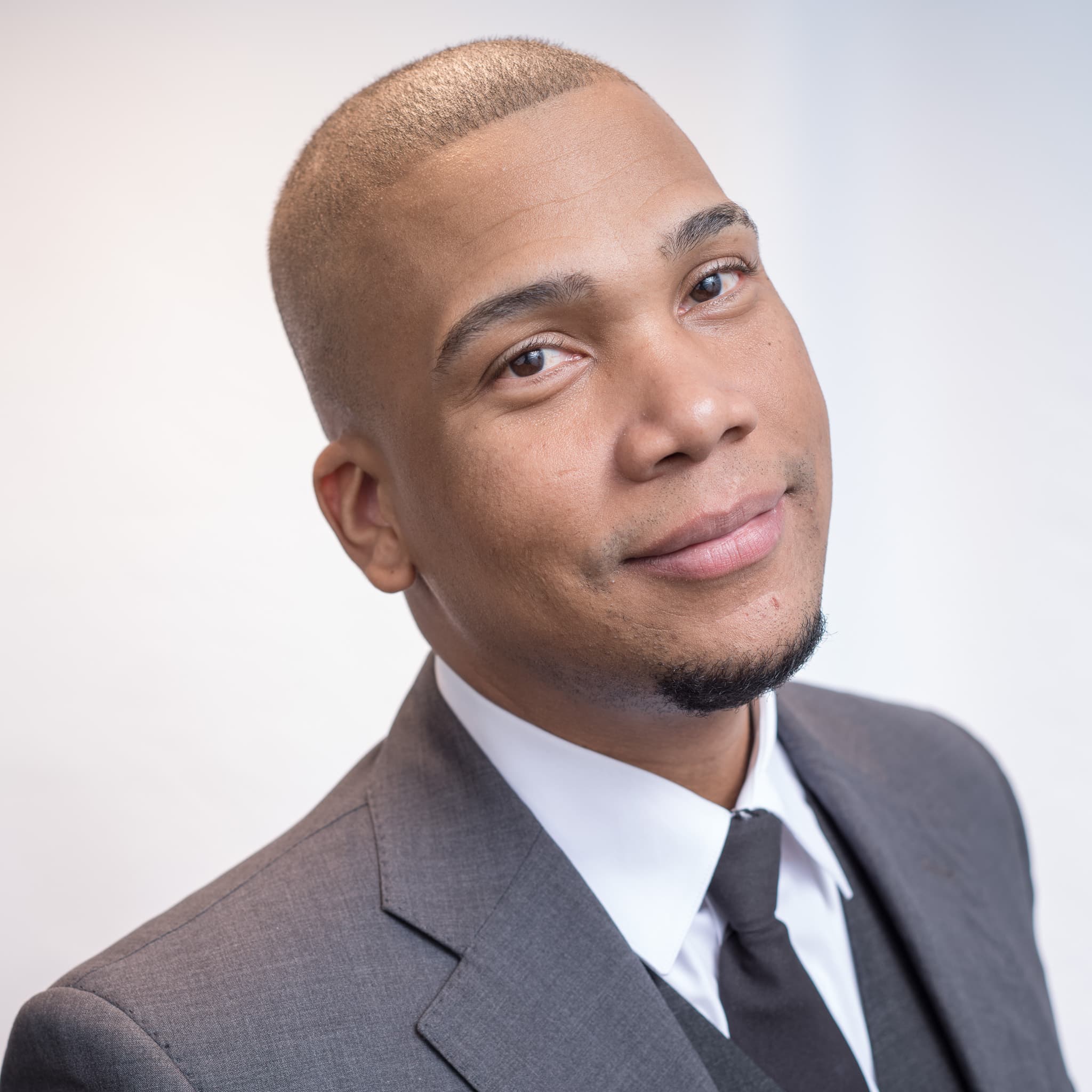
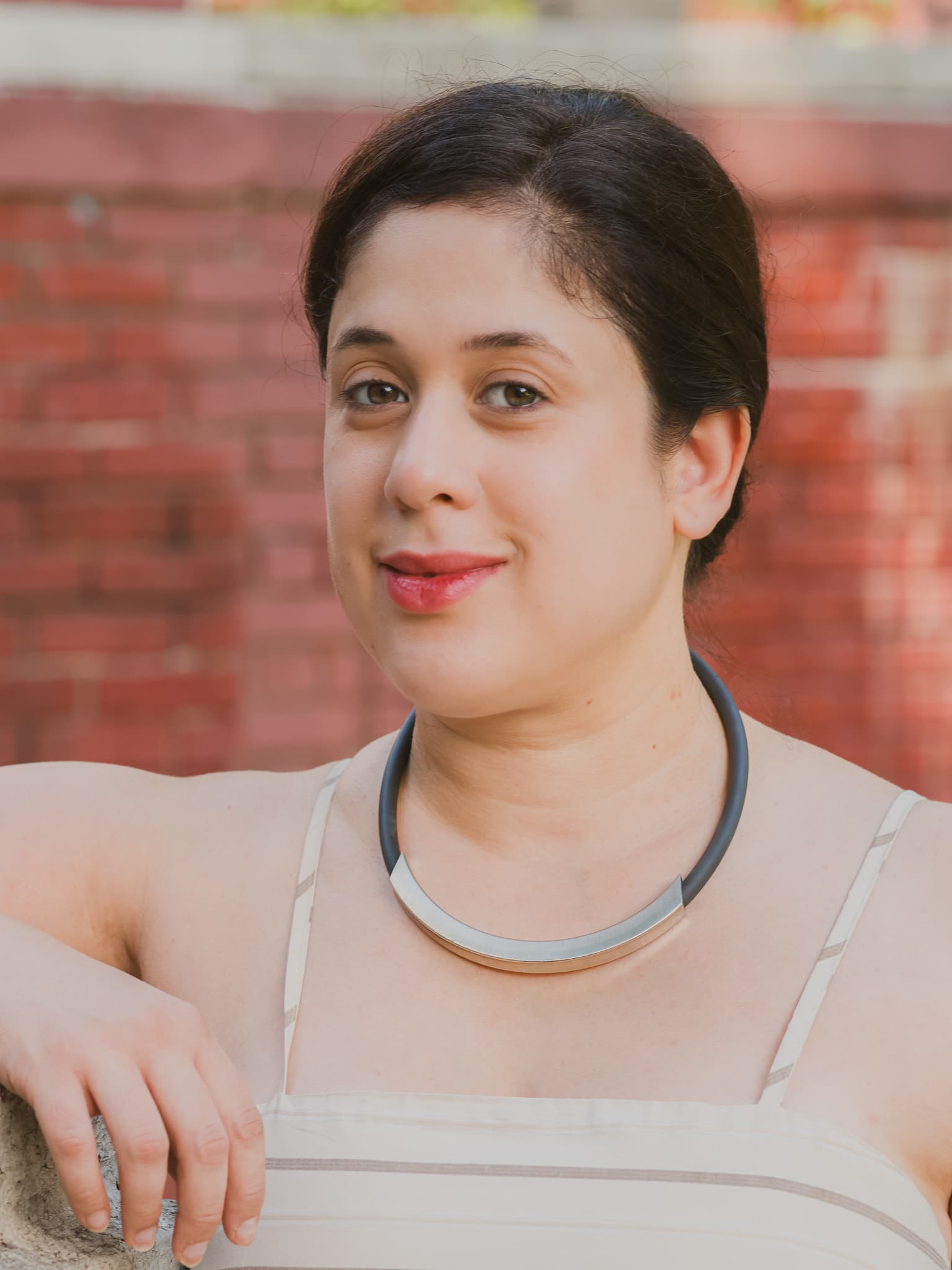
A team headshot set has one job the individual portrait does not: the frames have to look like they belong together. When your twelve headshots go up on the About page in a neat grid, a mismatched one jumps out (different crop, different background tone, different eye-line) and the whole page looks amateur.
This is a photographer's responsibility more than yours, but you should know what "matched" requires so you can confirm it before you book:
- One lighting setup, held all day. The light does not get re-invented per person. Same key, same distance, same background separation from the first frame to the last.
- Consistent crop and headroom. Everyone framed from the same point (mid-chest up, eyes on the same horizontal line) so the grid reads as one system.
- The same background, exactly. Not "a gray backdrop" for some and "a slightly different gray" for others. The same physical surface, same exposure.
When a company comes to us with existing staff photos taken piecemeal over three years by four different people, the fix is almost always a single team day that resets everyone to one look. If you are hiring in waves, that consistency is worth protecting: our piece on keeping team headshots consistent across staggered hires covers how to keep new joiners matching the original set.
The day-of checklist for you, the organizer
On shoot day, your job is not photography. It is flow. Your only goal is to keep a steady stream of relaxed people moving through the chair. A few things make that effortless:
- Owning the running order. You, not the photographer, know who is in a client call at 11. Hold the list and adjust in real time.
- A "on-deck" chair. One person waiting and ready means zero dead time between frames. This alone can save forty-five minutes across a large team.
- A mirror and a lint roller by the door. People fix their own collar and hair in the ten seconds before they sit. Small setup, large payoff.
- Water and a clear break window. A team day is long for the crew too. One built-in fifteen-minute reset keeps energy and expressions fresh into the afternoon.
- A point person for stragglers. Someone whose only job is to text the two people who "forgot" and get them down before the setup is struck.
Run it like a well-organized clinic and a twenty-person shoot feels calm from the first frame to the last.
Handle the executives deliberately
Senior leaders are the frames that end up on the press page, the investor deck, and the conference bio, so they carry the most weight and, ironically, are the easiest to get wrong on a busy team day. Two habits protect them.
First, do not slot the CEO into the middle of the rush. Give leadership either the very first window, when the crew is fresh and dialed in, or a dedicated slot at the end after the line has cleared. A founder squeezed between two account managers gets a founder's four minutes and a founder's rushed expression. That is the one frame you cannot afford to rush.
Second, keep the look consistent with the team even at the top. The temptation is to over-style executives: heavier retouching, a different, moodier background, a tighter crop. Resist it. When the leadership headshots visibly do not match the staff grid, the About page reads as two different companies stapled together. The most credible executive presence comes from the same clean, honest treatment everyone else gets, held to the same standard. If a leader needs a more editorial portrait for a keynote or a magazine feature, book that as a separate individual session rather than bending the team look around one person.
Budget it as a per-person cost, not a mystery quote
Team headshots are one of the few professional services where the pricing is genuinely simple, and you should insist on that simplicity. Fuentes Studio prices team sessions at a flat $99 per person (5-person minimum), which makes budgeting a single line of math: headcount times ninety-nine, with no per-hour surprises, no separate "setup fee," and no upcharge for the on-location travel within NYC. That flat structure is deliberate: it means you can get sign-off from finance with an exact number before you book, and it scales predictably whether you are shooting a founding team of four or a full floor of sixty.
When you compare quotes, watch for the opposite: vendors who quote a low day rate and then bill lighting, retouching, and file delivery as add-ons. The all-in per-person number is the only figure that lets you compare fairly and forecast the next hiring wave's cost without a fresh negotiation.
What happens after the shoot
For a company set, delivery logistics matter as much as the shoot. Confirm three things before you book:
- Turnaround. We deliver finished, retouched team galleries within 48 hours, so your directory or website update does not stall for weeks.
- Selection. Decide in advance whether each person picks their own favorite or a manager approves a consistent look across the team. For public-facing grids, one approver keeps the set uniform.
- File formats. Ask for both a web-optimized crop for LinkedIn and the site, and a full-resolution version for print and press. A good corporate headshots delivery includes both without you having to chase them.
The point of a team day is that it is done once, done cleanly, and does not need revisiting until your next hiring wave. Cheap-feeling logistics (rushed slots, mismatched frames, a three-week wait) undo the whole investment.
Frequently asked questions
How long does a team headshot day take for 20 people? Plan on three to four hours including a short break, based on 8 to 10 minutes per person for a properly unhurried corporate headshot. Booking the realistic per-person time is the single biggest factor in whether the day runs smoothly. Larger teams are split across a full day or multiple days.
Should we come to your studio or should you come to our office? Under about fifteen people converging from around the city, the Riverdale studio is simplest. Fifteen-plus already in one building, on-location at your NYC office almost always saves more in staff hours than it costs. We do both: tell us your headcount and office layout and we will recommend the setup.
How do you make everyone's headshots match? One lighting setup held for the entire day, one background, and one consistent crop and eye-line for every person. Matching is a discipline maintained during the shoot, not something fixed later in editing, which is why a single team day beats piecemeal photos taken over months.
What should we tell people to wear? Send a wardrobe email one week out: solid mid-tone colors, structured necklines like collars and blazers, a coordinated palette rather than one mandated color, and no logos. Lead time is what gets people into the right shirt instead of improvising the morning of.
How fast do we get the photos back? Finished, retouched galleries are delivered within 48 hours. For public-facing team grids we recommend a single approver to keep the final selection uniform across everyone.
Book your team's headshot day
Fuentes Studio has photographed hundreds of professionals across NYC, from two-person founding teams to full-floor corporate rosters, with a 5.0 Google rating and 48-hour delivery on every session. Whether you bring your team to our Riverdale studio in The Bronx or we set up at your Manhattan office, you get one consistent look, one calm day, and a set of headshots that make your whole team look like it belongs together.
Book Your Session and tell us your headcount: we will build the schedule with you.
Looking to update your professional image? professional headshot photographer NYC: sessions in Riverdale, NYC, booked as late as two days before.
Explore NYC Headshot Services
Sessions from $95, booked as little as two days ahead. Retouched delivery in 48 hours.
Related Reading
Ready to Create Something Beautiful?
Whether it's a portrait session, a brand shoot, or a commercial project. Let's bring your vision to life.