
Lighting for Confident Portraits: Inside the Craft at Our Riverdale Headshot Studio
# Lighting for Confident Portraits: Inside the Craft at Our Riverdale Headshot Studio
People rarely ask me how a headshot is lit. They ask why one photo of them looks like a person they'd hire and another, taken the same week on a better camera, looks like a hostage. The difference is almost never the gear. It's the light: where it comes from, how soft it is, and what it does to the small architecture of a face.
I shoot portraits out of a studio in Riverdale, The Bronx, and the single most common thing clients say when they see the back of the camera is "I didn't know I could look like that." They could always look like that. The light just had to agree to it. This is a working look at how confidence gets built one source at a time, not theory, but the actual decisions I make in the few minutes between hello and the first real frame. If you already know you want portraits that read this way, you can book your session and we'll plan the setup around your face. If you're curious how it works first, read on.
Confidence is a lighting decision before it's an expression
There's a myth that a great headshot is about catching the right smile. Expression matters, but it sits on top of something more structural. A face lit flatly (light coming straight from the camera, hitting both cheeks equally) reads as documentation. A passport. A badge photo. It tells the truth about your features and nothing about your presence.
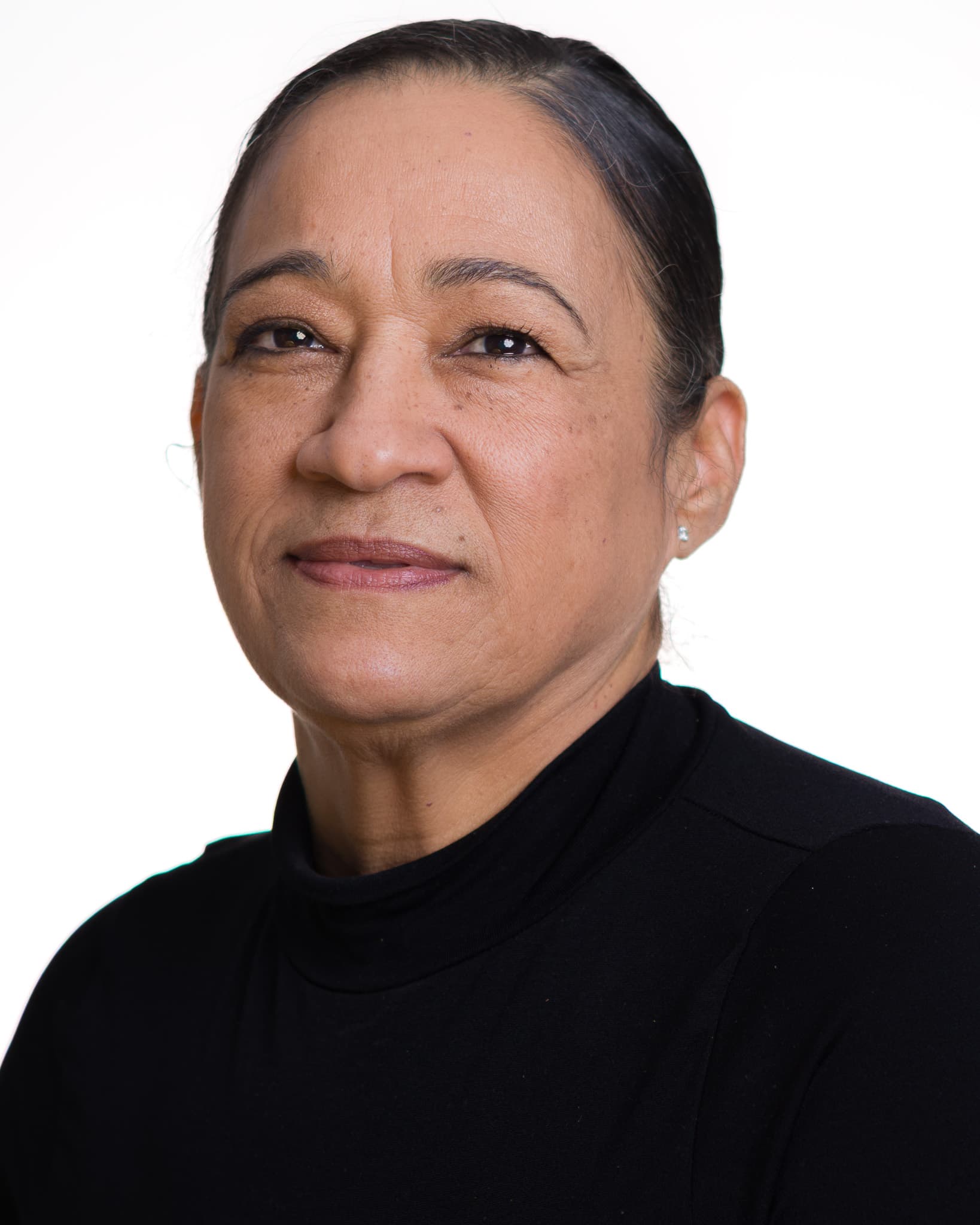
The moment you move the main light off to one side and slightly above the eyes, the face gains dimension. One side falls gently into shadow, the jaw gets definition, the eyes sit deeper and steadier. That shadow is what the brain reads as gravity, seriousness, someone who has thought about things. Confidence, in a still image, is mostly the controlled presence of shadow. Get the shadow right and even a neutral expression looks composed. Get it wrong and the warmest smile looks nervous.
So before I think about whether you'll smile, I've already decided where the dark side of your face will be. That decision is the portrait.
The three lights behind a confident headshot
Most of my sessions run on a deliberately small kit. More lights mean more ways to look artificial. Here's what each one does and why it's there.
- The key light is the star. It's a large softbox or an umbrella set close to you, usually 30 to 45 degrees off to one side and angled down toward your eyes. Close and large means soft: the shadow edge is a gentle gradient, not a hard line. This is the light that builds the dimension I described above.
- The fill is a weaker, broader source on the opposite side, or sometimes just a white reflector bouncing the key back onto the shadow side. Fill controls how dark the dark side gets. For an approachable LinkedIn look I keep fill high so shadows stay open. For a heavier executive tone I pull fill down and let the shadow deepen.
- The separation light sits behind you, aimed at your hair and shoulders, or it's a light on the background itself. Without it, dark hair melts into a dark background and the head loses its edge. A clean rim of light around the shoulders is what makes a portrait feel intentional rather than snapshot.
That's it. Three sources, sometimes two. The skill isn't in adding more. It's in the ratio between them, and that ratio is what I'm adjusting in real time as I read your face.
Why I light for your specific face
No two faces want the same ratio. A narrower face takes well to broad lighting that fills it out. A rounder face gets structure from short lighting, where the key falls on the side of the face turned away from the camera, slimming it and carving in cheekbone. Someone with deep-set eyes needs the key raised less, or the eyes go dark and lose their catchlight: that tiny reflection of the light source in the iris that makes a portrait feel alive.
This is the part you can't get from a backdrop-and-ring-light setup at a conference, and it's the difference clients feel when they compare a real session to the booth photo from their last all-hands. I'm not running a template. I'm reading bone structure and adjusting.
Posing is just lighting the body
People tense up at the word "pose." What I'm actually doing is angling your body so the light and the camera get the version of you that reads as relaxed authority.
A few mechanics that do most of the work:
- Weight back, chin forward and slightly down. Bringing the forehead a touch toward the lens defines the jaw and kills the double-chin geometry that even lean faces get when the chin lifts. It feels strange. It looks correct.
- Shoulders turned, face returned to camera. A square-to-the-lens body is a mugshot. Turning the shoulders 15 to 30 degrees while the eyes come back to the lens creates the engaged, "you have my attention" angle that recruiters and clients respond to.
- Breathe out on the frame. I shoot on the exhale. A held breath shows in the neck and shoulders. The exhale is where the tension leaves and the real expression lands.
None of this is about looking like a model. It's about removing the small physical signals of nervousness so the camera records the person your colleagues actually know.
Direction: the invisible part of the craft
The light can be perfect and the photo can still be dead if the person behind it goes quiet. A lot of my job is conversation. I'll ask what you do, who the photo is for, what you secretly hate about every photo of yourself. The answers loosen the face, and somewhere in the third or fourth honest answer, the real expression shows up, and that's the frame I take.
For an executive portrait, I'm usually steering toward stillness: a settled, unhurried look that signals someone who doesn't need to perform. For personal branding photography (founders, coaches, creators), I'm pulling for more warmth and energy, because that audience is buying you, not just your title. Same lights, different direction, different person on the wall at the end.
I shoot the back of the camera with you throughout, so we're choosing the look together rather than hoping it worked out. Most people relax the instant they see one frame they like; from there the session gets easier and the photos get better.
Background and tone do half the quiet work
Light gets the attention, but the background is doing more than people realize. A background that's too bright competes with your face and washes out the edge of your shoulders. One that's pure black can read as severe or, worse, like a stock template everyone in your company already used. The choice is part of the lighting plan, not an afterthought.
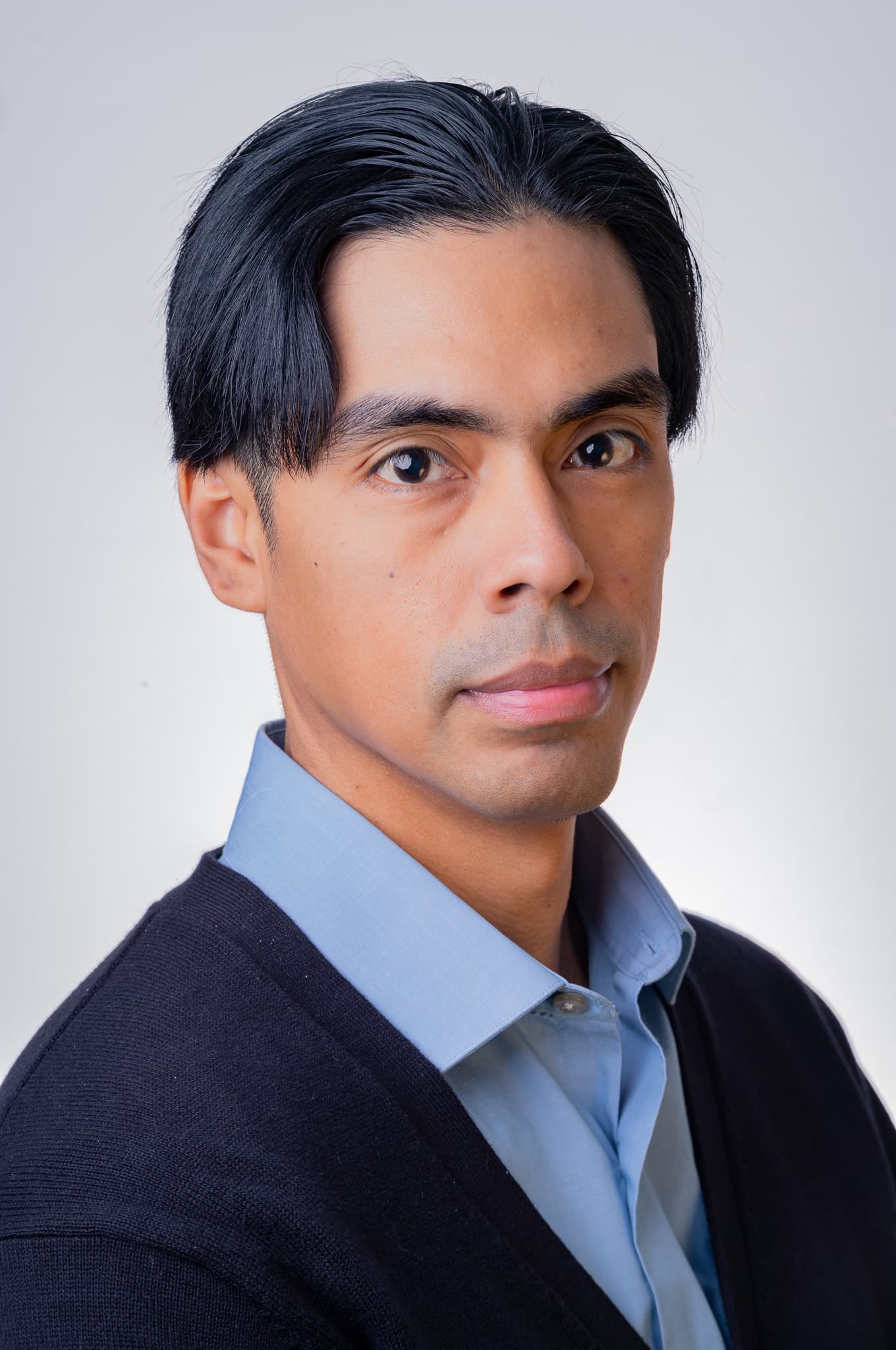
Many of my studio frames sit on a soft, slightly graded gray: light enough to feel open, dark enough behind the shoulders to hold your silhouette. For a heavier, more authoritative look I'll deepen the background and let the separation light do the lifting. For founders and creators I'll sometimes go warmer, or shoot them outdoors instead, in the natural texture near Van Cortlandt Park, where soft afternoon light and a real environment say something a seamless backdrop can't.
The tone of the final image is also a deliberate choice in the edit. I keep skin natural and the color palette calm: no heavy filters, no plastic retouching. The goal is that you look like the best, most rested version of yourself on a good day, not a different person. When a portrait gets that balance right, the people who know you say "that's a great photo," not "that doesn't look like you." That distinction is the whole game, and it's the same instinct behind every LinkedIn headshot I deliver.
What this looks like start to finish
A Studio Headshot in Riverdale runs 30 minutes. We start with the key light and a neutral background, build one clean LinkedIn-ready frame, then start moving: adjusting the fill ratio, swapping backgrounds, turning the shoulders, refining the expression. You leave with 3 retouched images chosen from a range, not one lucky shot.
Edited images come back through a private gallery, retouched and cropped for LinkedIn, your company bio page, and wherever else the photo needs to land. The studio carries a perfect 5.0 rating from the people who've sat in that chair, and a confident, well-lit result is most of why.
If you want portraits that read as steady and hireable rather than stiff, that's the entire job, and it starts with booking a session.
Frequently asked questions
Do I need professional lighting for a good headshot, or can natural light work? Natural light can be beautiful, but it's unpredictable: it changes by the hour and the weather, and it rarely gives you the control to flatter a specific face on a specific day. Studio lighting lets me build the exact ratio your features want, every time. That repeatability is why corporate and executive clients book a studio rather than chasing a window.
Will heavy lighting make my photo look fake or overdone? The opposite, when it's done right. Soft, well-placed light looks like very good natural light: most people can't tell it's lit at all. "Overdone" usually comes from hard, undersized sources or too many competing lights. My whole approach is one large, soft key and a controlled shadow, which reads as natural and clean.
I'm not photogenic. Can lighting actually fix that? "Not photogenic" almost always means "previously badly lit and badly directed." The angle of the light, the height of the chin, and the timing of the frame do far more than your features do. The most common reaction in my studio is genuine surprise: people are seeing themselves lit and directed properly, often for the first time.
Do you light groups and teams the same way? The principles are identical, but consistency becomes the priority: same key position, same ratio, same crop so a leadership page looks like one cohesive set rather than ten different days. That's the focus of our team headshots sessions.
Looking to update your professional image? headshot photographer in Riverdale, The Bronx: sessions in Riverdale, NYC, booked as little as two days ahead.
Explore NYC Headshot Services
Sessions from $95, booked as little as two days ahead.
Related Reading
Ready to Create Something Beautiful?
Whether it's a portrait session, a brand shoot, or a commercial project. Let's bring your vision to life.