
What Makes a Headshot Look Expensive? 5 Small Things an NYC Photographer Notices (2026)
# What Makes a Headshot Look Expensive? 5 Small Things an NYC Photographer Notices (2026)
People can tell within half a second whether a headshot looks expensive or cheap. They can almost never tell you *why*. They'll say "it just looks more professional," or "yours looks like a real photographer took it," and leave it at that. The gut reaction is instant; the explanation is invisible.
I've spent years on the other side of that reaction. I run a one-person studio in Riverdale, The Bronx, I've photographed 800-plus professionals, and the single most common thing I hear at the end of a session is some version of "I didn't know a headshot could look like *this.*" The funny part is that the gap between a cheap-looking headshot and an expensive-looking one almost never comes down to a more expensive camera. It comes down to five small things — and once you know what they are, you'll never un-see them.
*Want yours to land in the expensive-looking column? [Book Your Session](/book) — sessions book a week out in Riverdale.*
This isn't a gear-snob article. You don't need to memorize any of it to get a good photo — that's my job. But understanding what actually separates a $50 look from a premium one will make you a sharper buyer, help you brief whoever shoots you, and stop you from blaming the wrong things when a photo falls flat.
1. The light has shape, not just brightness
If there's one thing that quietly screams "expensive," it's light that wraps. Cheap headshots are usually *evenly* lit — flat, frontal, shadowless, the kind of light you get from a phone flash or a window dead in front of your face. It's bright, but it's dead. Skin looks like a sticker, the face has no dimension, and the eyes go vacant.
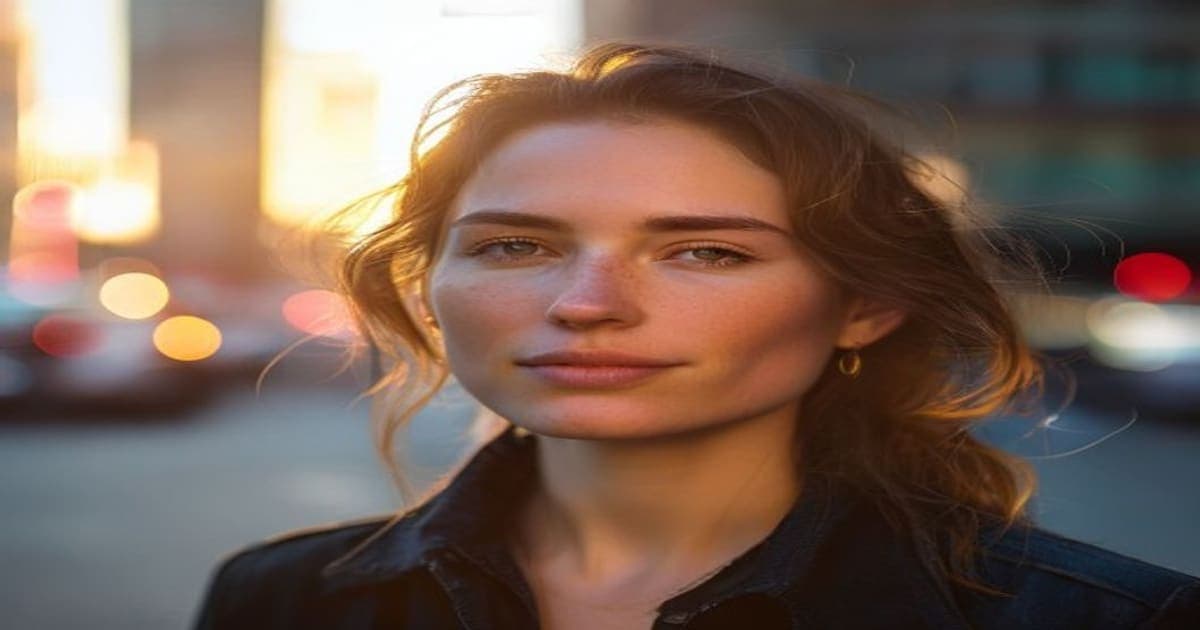
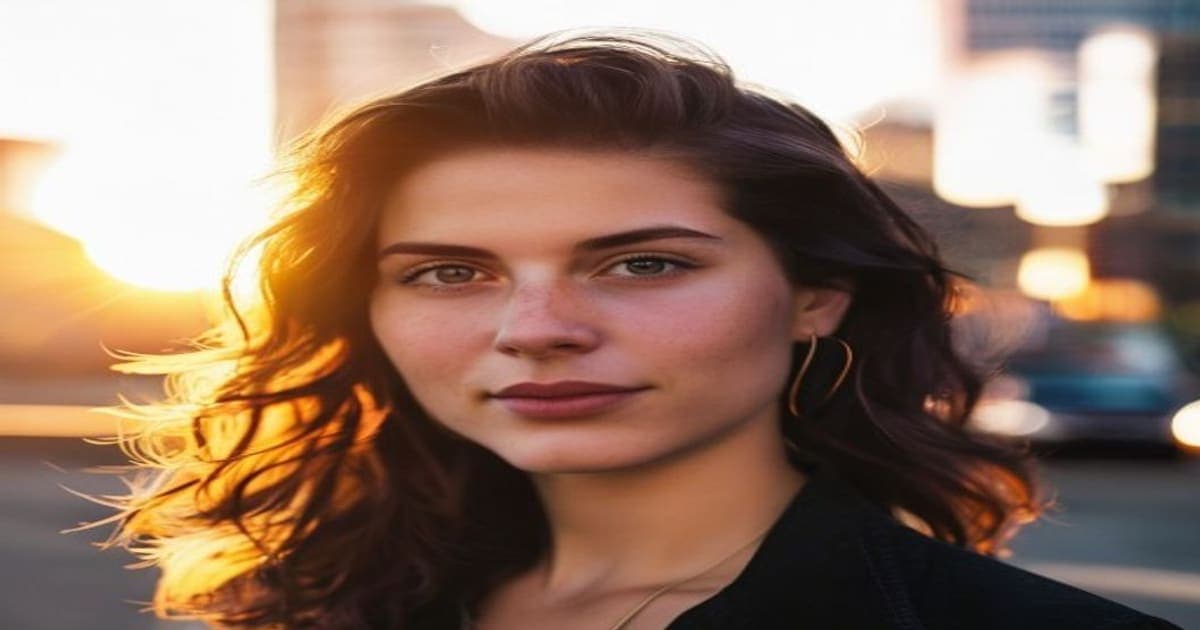
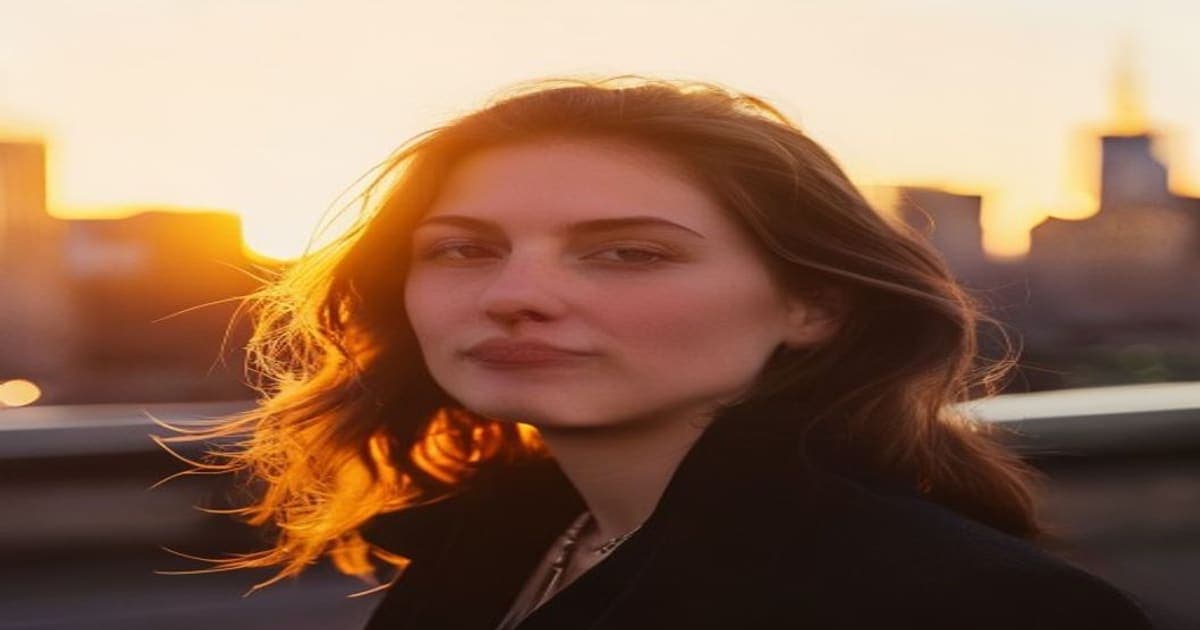
Expensive-looking light has *direction.* It comes from slightly off to one side and a little above, so it carves a gentle shadow down the far cheek and under the jaw. That shadow is what gives a face structure — it tells the viewer's brain "this is a three-dimensional human in a real space," not a flat scan. The technical name is short lighting, and it's the difference between a face that looks sculpted and one that looks photocopied.
You don't need a studio full of strobes to get it. A single good light source, shaped and positioned with intent, beats five lights pointed everywhere. When I shoot in Riverdale, most of the "how is this so much better than my old one?" reaction is just light with a shape to it. It's the cheapest upgrade in photography and the one amateurs skip first.
2. The lens isn't lying about your face
Here's the one almost nobody knows: the *focal length* of the lens changes the shape of your face. Shoot a portrait too close on a wide phone lens and the nose balloons, the ears shrink, and the whole face stretches forward like it's leaning into a peephole. That subtle distortion is a huge part of why selfies and webcam shots read as cheap — your features are being quietly misreported.
A flattering headshot is shot from a respectful distance on a longer lens, which compresses the face back into its true proportions. Nose, eyes, and jaw sit in correct relationship to each other. People look at the result and think "they just photograph well" — but really, the lens stopped lying.
This is also why the photographer standing two feet from your face with a phone will never match a real portrait setup, no matter how good the phone's "portrait mode" is. The math of the optics is working against them. At the studio I shoot on a Leica M11 with 35mm and 50mm optics chosen specifically because they render faces honestly — but the principle holds at any price point: distance and focal length, not megapixels, are what make features look right.
3. Your posture was directed
Untrained subjects do the same three things in front of a camera: square their shoulders to the lens like a mugshot, lock their neck straight back, and freeze. The result looks stiff, defensive, and — there's that word again — cheap. Not because the person isn't photogenic, but because nobody told them what to do with their body.
Expensive-looking headshots are *directed.* The shoulders are turned slightly off-axis so the body has a line to it. The chin comes forward and down a touch (the move that kills a double chin and sharpens the jaw — counterintuitive, and nobody does it on their own). The weight shifts. The hands, if they're in frame, have a job. Most people have genuinely never been told any of this, and ten seconds of real direction transforms a frame more than any amount of editing.
This is the part you cannot buy in a cheap session, because cheap sessions don't include a person actively coaching you through it. A budget operator points the camera and says "smile." A real one watches your face, catches the half-second where you look like yourself on a good day, and tells you exactly how to get back there. The photo looks expensive because somebody was *working* while you stood there.
4. The retouching is invisible
Bad retouching is its own tell, and it cuts both ways. Under-edited, and you get every stray flyaway, shiny forehead, and tired under-eye — distracting, unflattering, amateur. Over-edited, and you get the plastic look: poreless skin, liquid-smooth texture, the uncanny "AI-ish" sheen that recruiters in 2026 have learned to clock instantly and trust less.
Expensive retouching is the stuff you *don't* notice. Skin still has texture and pores — it just doesn't have the temporary stuff: the blemish that'll be gone next week, the bit of glare, the stray hair across the eye. Tones are evened out without being erased. You still look like you, on your best day, not like a wax figure of yourself. The goal is "is that photoshopped?" turning into "no, they just look great." That restraint takes skill and time, which is exactly why cut-rate work skips it or overdoes it.
Worth saying plainly in 2026: a fully AI-generated headshot fails this test from the start. It can't deliver invisible retouching because the whole image is synthetic — and the plastic-skin, impossible-collar artifacts are precisely the thing that reads as cheap and costs you credibility. (I broke that down in more detail in an earlier post on AI versus human headshots and recruiter rejection.)
5. The crop and background were decisions
The last 5% is framing, and it's where a lot of otherwise-fine photos lose their premium edge. Cheap headshots are cropped carelessly — too much headroom, the top of the skull cut awkwardly, the subject dead-center and small, a cluttered background fighting for attention. The eye doesn't know where to land.
Expensive-looking headshots put the eyes roughly on the upper third of the frame, crop with intent, and sit the subject against a background that *supports* rather than competes — a clean tone, a softly defocused environment, controlled separation between you and what's behind you. Nothing in the frame is accidental. That sense of deliberateness is what the viewer reads as "high quality," even if they'd never use that language.
Background separation in particular is a quiet luxury signal. When you're crisply in focus and the background melts into smooth, creamy blur, the brain registers depth and intentionality. A phone snapshot against a beige office wall has none of that — everything's equally sharp, equally flat, equally forgettable.
Color discipline belongs here too. Expensive-looking work tends to keep the palette restrained — the background tone and your wardrobe don't fight, and nothing in the frame is a distracting, oversaturated accident. Cheap headshots often have one loud element pulling the eye away from the face: a clashing wall color, a busy doorway, a logo half-visible over your shoulder. The fix isn't fancy; it's just *deciding* what's allowed in the frame and removing everything that isn't. That editing-before-the-shutter instinct is most of what separates a deliberate portrait from a snapshot.
The five things, in one list
If you want the whole article on a sticky note, here it is:
1. **Light with a shape** — directional, slightly off-axis and above, so the face has dimension instead of looking flat. 2. **An honest lens and distance** — shot from far enough back on a longer focal length so your features aren't distorted. 3. **Directed posture** — shoulders angled, chin forward-and-down, an active coach catching your real expression. 4. **Invisible retouching** — temporary flaws gone, real skin texture kept; never plastic, never AI-sheen. 5. **Intentional crop and background** — eyes on the upper third, clean separation, nothing accidental in the frame.
Notice what's *not* on the list: the price of the camera, the number of lights, the size of the studio. None of the five are about gear you can buy. They're about decisions someone makes on your behalf. That's the real reason a good headshot looks expensive — not because expensive equipment touched it, but because a skilled person made five small choices that an amateur skips.
What this means when you're booking
The practical takeaway: when you're comparing headshot options, you're really comparing *who's making those five decisions.* A bargain session where someone points a camera and says "smile" is cheap for a reason — you're paying for the shutter, not the choices. A session where someone shapes the light, picks the right lens and distance, directs your body, retouches with restraint, and frames with intent costs more because all five things are happening on purpose.
That's also why two photographers with identical cameras can produce wildly different results, and why the most expensive-looking work often comes out of a small, focused setup rather than a giant studio. At my place in Riverdale, it's just me — which means the same person who shapes your light is the one directing your chin and later doing the retouching. Nothing gets handed off and flattened. Every session ships within 48 hours, fully edited and color-graded, and it's the consistency of those five decisions, frame after frame, that holds the studio's 5.0 Google rating.
If you've worked with a photographer who nailed these and it showed in how you got received, [leaving a quick review](/leave-a-review) helps the next person find someone who actually makes the choices instead of just owning the camera. And if you're a professional who needs that premium read on LinkedIn or a company directory, the [LinkedIn headshot](/linkedin-headshots) and [executive portrait](/executive-portraits) formats are built around exactly these five principles.
FAQ
**Does an expensive-looking headshot require an expensive camera?** No. Modern cameras and even high-end phones all capture more than enough resolution. The "expensive" look comes from light shaping, lens choice and distance, directed posture, restrained retouching, and intentional framing — none of which are a function of how much the camera cost. A skilled photographer with modest gear beats expensive gear in untrained hands every time.
**Why do my phone selfies always look cheap, even on a nice phone?** Three of the five things work against a selfie at once: the lens is too wide and too close (distorting your features), the light is usually flat and frontal, and there's no one directing your posture or expression. Portrait mode fakes background blur but can't fix distortion, light, or direction. That's why a phone selfie reads as cheap even at 48 megapixels.
**Can good retouching fix a badly shot headshot?** Only so far. Retouching is the final 10%, not a rescue. If the light is flat, the lens distorted your face, and your posture is stiff, no amount of editing makes it look premium — and heavy editing to compensate produces the plastic, over-processed look that reads as cheap on its own. Get the capture right first; retouching should be subtle by design.
**How do I tell if a photographer makes these five decisions before I book?** Look at their portfolio for consistency, not just one great shot. Is the light shaped the same flattering way across many faces? Do people look natural and directed rather than stiff? Is the skin real, not plastic? Are the crops clean and deliberate? Consistency across a whole gallery means the photographer is making these choices on purpose, not getting lucky once.
**How fast will I get my finished headshots?** At Fuentes Studio every session is delivered within 48 hours, fully edited, color-graded, and retouched with the invisible, restrained approach described above — real texture kept, temporary flaws removed.
The bottom line
An expensive-looking headshot isn't an accident and it isn't a gear flex. It's five small, learnable decisions — shaped light, an honest lens, directed posture, invisible retouching, and an intentional crop — stacked on top of each other until the result reads as effortless. The effortlessness is the whole illusion. Someone worked hard, on your behalf, to make it look like nobody had to.
You don't need to master any of it yourself. You just need someone in your corner who treats all five as non-negotiable.
*Looking to update your professional image? [top-rated NYC headshot photographer](/) — sessions in Riverdale, NYC, booked at least a week ahead.*
*Ready when you are — [Book Your Session](/book) and let's make yours look like the expensive one in the room.*
Explore NYC Headshot Services
Sessions from $65, booked at least a week ahead. Retouched delivery in 48 hours.
Related Reading
Ready to Create Something Beautiful?
Whether it's a portrait session, a brand shoot, or a commercial project — let's bring your vision to life.