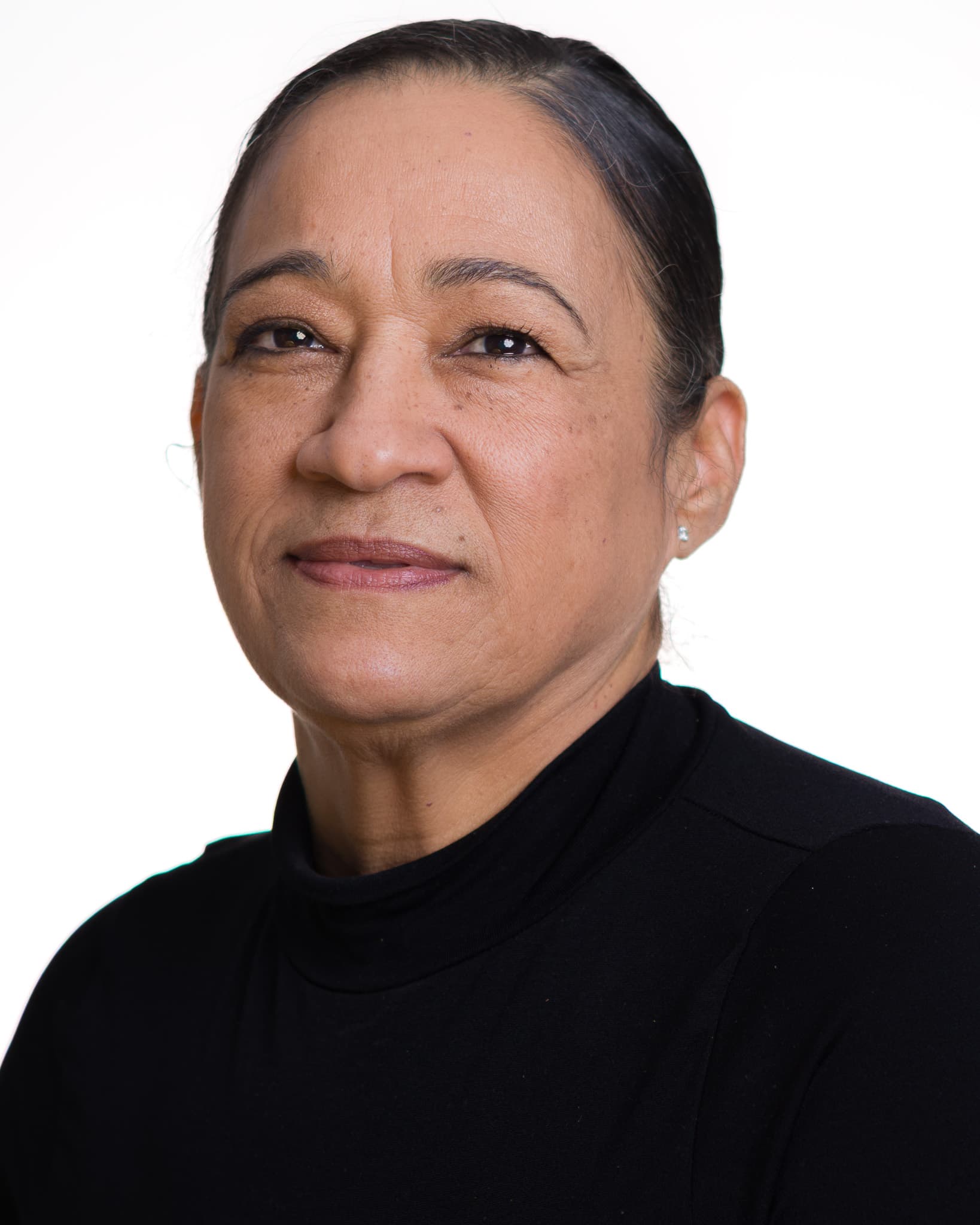
Inside a Fuentes Studio Headshot Session: Behind the Scenes in Riverdale, NYC
Most NYC headshot sessions look the same on the booking page and feel completely different on the day. What you cannot see in a portfolio is how the room is built: where the lights sit, what the wardrobe call covers, and why three pictures out of a few hundred are the ones that get picked. After running portraits out of my Riverdale, The Bronx studio for several years, what actually happens in the room comes down to a handful of choices made in a specific order. This is what a Fuentes Studio session looks like from the inside: the two-light setup, the wardrobe call, the warmup pattern, and the frame I am looking for when I press the shutter.
Book Your Session: Riverdale appointments book as little as two days out, retouched finals arrive within 48 hours, and the studio is a drive up the Henry Hudson Parkway or a single 1 train ride from Midtown.
What Most NYC Headshot Sessions Get Wrong (And What Changes When You Slow Down)
The default NYC headshot session is built for volume. A Midtown studio turns over a chair every 20 minutes, the lighting is the same one-light umbrella from the morning's first sitter to the evening's last, and the photographer is making 40 to 60 frames before swapping the next person in. The frames you get back are technically correct (sharp focus, even exposure, neutral background) but they all look like they came off the same conveyor belt because they did.
A Fuentes Studio session is structured differently for a specific reason: the people who book me are using the picture for something that matters. A bar-directory page that decides whether a client picks one partner. A LinkedIn profile a recruiter reads before outreach. A pitch deck a Series-A investor flips through in 90 seconds. A 20-minute conveyor belt cannot produce a frame that holds up to that. A 75-minute session with a two-light setup, a wardrobe call before you arrive, and a deliberate warmup can.
You will spend more time in the chair than at a chain studio. You will get fewer total frames. What you get in exchange is a frame built for the specific job you are using it for, which is the only metric the picture is graded on once it is live.
The Wardrobe Call: Why the Session Starts 48 Hours Before You Arrive
Every Fuentes Studio booking includes a 15-minute wardrobe call by phone, scheduled 2 to 3 days before you arrive. It is not a sales call and not a styling consultation in the runway sense. It is a working conversation about what the headshot is for, where it is going to live, and what the person looking at it is trying to decide.
The call covers three things in order:
- The use case. Bar directory, LinkedIn, company About page, pitch deck, conference speaker bio, podcast press kit. Each has a different visual brief: a bar-directory thumbnail is read at 80×80 pixels next to four other partners, so contrast and posture matter most. A pitch-deck founder photo is read at 800×600 alongside a logo, so wardrobe color and background tone matter most.
- The wardrobe options you already own. I will ask you to walk to your closet during the call and describe what you have. The goal is not to make you buy anything. It is to pick the 2 or 3 pieces from your closet that will photograph correctly under the studio's lighting setup and match the use case from step one. Power suits and soft-shoulder blazers photograph differently, and one will be more right for what you are using the picture for.
- The day-of plan. Arrival time, whether you are driving or taking the 1 train to 242nd Street, hair and grooming. We will lock in the order of looks, usually 2 to 3 wardrobe changes, so the studio time is spent shooting, not deciding.
Most clients tell me after the fact that the wardrobe call was the part of the booking they did not know they needed.
The Two-Light Setup: Why Riverdale Doesn't Look Like Times Square
The room is built around a two-light institutional-standard setup. A main light at camera-left, raised above eye level and softened through a 4-foot octabox, renders skin without harsh shadow under the brow or jaw. A fill light at camera-right at lower power through a smaller softbox fills the shadow side without flattening the face. A separation light from behind lifts the shoulder line off the background and gives the image dimension on screen, which matters because most of these portraits live on a phone or a laptop, not in print.
The background is a neutral mid-gray seamless that reads as charcoal in the final frame. I do not use white seamless for corporate headshots: white blows out on most office monitors and makes the subject look cut out of the frame, which is the read a hiring manager scans past in 1.5 seconds. Mid-gray gives the picture weight. The setup is calibrated against a gray card and a light meter, so the exposure does not move between the first frame and the last: frame 17 and frame 142 are lit identically, which is what makes the side-by-side comparison meaningful when you are picking the final.
The Warmup: The First 8 Minutes Are the Ones I Throw Away
The first 8 to 10 minutes of every session is a warmup, and the frames from this window rarely make the final cut. Nobody walks into a portrait studio looking like the person they are running a meeting. The face is held tighter than usual, the shoulders are higher, the eyes are doing something specific to being aware of the camera. None of those reads photograph as confidence: they photograph as someone uncomfortable.
The pattern is simple: I keep talking to you about something other than the picture (what you do on a Tuesday morning, the worst meeting on your calendar this week, what you actually like about your job) while I make frames you do not have to think about. After 8 minutes the shoulders drop, the breathing changes, the face settles into what it looks like in a room with people you know. That is when the real session starts.
This is also why the session length is 60 to 75 minutes for a single-person headshot. A 20-minute session is 20 minutes of warmup window: you leave with technically-correct frames that look like a stranger trying to look professional. A 75-minute session spends an hour on frames that read like you.
The Frame I Am Looking For: What Gets Picked and Why
A typical Fuentes Studio session produces 180 to 240 frames across 2 to 3 wardrobe changes. The proof gallery you get within 24 hours has all of them, ranked by my pick. The three to five that get retouched share specific characteristics that almost nobody articulates before they see the comparison:
The eyes are doing two things at once. They are looking directly at the camera with intent (not staring, not soft, but engaged) and the corners are slightly creased from a real expression that started a half-second before the shutter. Frames where the eyes are flat or where the smile reaches the mouth but not the corner of the eye do not get picked, even if the rest is technically perfect.
The shoulder line is open. Both shoulders visible, neither rotated away from the camera, the upper body squared but not stiff. A 5-degree shoulder rotation in either direction changes the read significantly, too far open feels casual, too far rotated feels evasive.
The jaw line is defined but not strained. A small forward tilt of the head, about an inch, sharpens the jaw line in the final frame without making the subject look like they are pushing forward. Most people, when they hear "stronger jaw," push their chin out: that reads as aggression. The forward tilt is from the crown of the head, not the chin.
Once those three things line up in the same frame, that is the picture. Across 180 frames it usually happens 6 to 10 times. From those, the final 3 to 5 get retouched and delivered within 48 hours.
Retouching: What Stays In and What Comes Out
The retouching standard at Fuentes Studio is what I call "scale-holding": the picture should hold up at every scale you use it. The bar-directory thumbnail at 80×80, the LinkedIn header at 400×400, the speaker-bio page at 1200×1200, and the printed conference signage at 24 inches across. A pass that is too aggressive holds up at thumbnail but falls apart at print scale because the skin starts looking plastic. A pass that is too light holds up at print but leaves distracting blemishes visible at the LinkedIn scale where people actually scan it.
What stays in: skin texture, every line that is part of how your face moves, the structure of how light falls across the cheekbones and brow. What comes out: temporary blemishes that will not be on your face in 6 months, stray hairs across the forehead, collar wrinkles, dust on the jacket, distracting reflections in glasses. The goal is a frame that looks like you on a good day with good light. Every retouched final is reviewed on a calibrated desktop, a laptop at office brightness, and a phone screen before it is delivered.
Why the Process Is Different, and Where the Pricing Lands
What clients mention in reviews is rarely "great photos": they booked because they saw the portfolio. What they describe instead is one of three things: the wardrobe call, the warmup, or the 48-hour delivery turnaround. Those are the parts that differ from what they experienced at other NYC studios.
The bookable sessions are the $95 Stroll & Shoot mini and the $149 LinkedIn-ready Outdoor Headshot; corporate, executive, and team days are quoted on request. Full pricing breakdowns are on the LinkedIn headshots page and the personal branding photography page.
FAQ: Inside the Fuentes Studio Session
How long is a typical Fuentes Studio headshot session in Riverdale?
A single-person session runs 60 to 75 minutes. The first 12 minutes are the warmup, the middle 40 to 50 minutes are the active session across 2 to 3 wardrobe changes, and the last 10 to 15 minutes are the in-session proof review before you leave. Team sessions are scoped differently, usually 12 to 15 minutes per person.
Do I need to bring anything for the wardrobe call?
No. You walk to your closet during the call and describe what you have. I am not asking you to buy anything new or send photos in advance: the whole point is to pick from what you already own, against the specific use case for the picture.
How many frames will I get from a single session?
Between 180 and 240 frames across 2 to 3 wardrobe changes appear in the unedited proof gallery within 24 hours. Your retouched final delivery is 3 to 5 frames hand-selected for the use case discussed in the wardrobe call. Additional retouched finals can be added for a per-frame fee: the proof gallery stays available for 90 days.
What does 48-hour delivery actually include?
Within 48 hours of your session, you receive a download link with retouched final frames in three formats: full-resolution TIFF for print and pitch decks, optimized JPEG for web and LinkedIn, and a square-cropped 1200×1200 version pre-sized for LinkedIn and social profiles.
What is the difference between the LinkedIn-only tier and the standard professional package?
The LinkedIn-only tier at $149 is a focused 30-minute session with one wardrobe look and 1 retouched final. The standard professional package is the 60 to 75-minute session described in this post: 2 to 3 wardrobe changes, 5 retouched finals, the full wardrobe call, and the warmup pattern. Most clients who plan to use the picture for more than one purpose pick the standard package.
What to Do Next
If you are deciding between studios, the question to ask is not "what is the price" but "what is the process." A 20-minute chain-studio session and a 75-minute Riverdale session produce different frames because the time, the lighting setup, the wardrobe call, and the warmup are different. The picture you put on your bar-directory or LinkedIn page is going to live there for 18 to 36 months.
Book Your Session: Riverdale appointments book as little as two days out, every package includes the wardrobe call and 48-hour delivery, and the studio is a drive up the Henry Hudson Parkway or a direct 1 train ride to 242nd Street from Midtown.
Looking to update your professional image? headshot photographer in Riverdale, The Bronx: sessions in Riverdale, NYC, booked as little as two days ahead.
Explore NYC Headshot Services
Sessions from $95, booked as little as two days ahead. Retouched delivery in 48 hours.
Related Reading
Ready to Create Something Beautiful?
Whether it's a portrait session, a brand shoot, or a commercial project. Let's bring your vision to life.